

What's Happening?
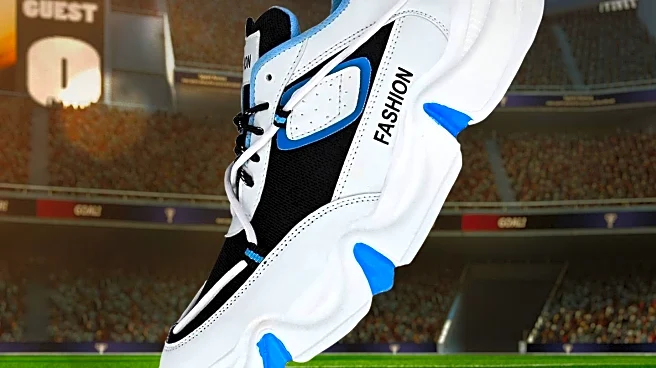
The intersection of fashion and sports is gaining momentum, as highlighted by recent collaborations and events. The Winter Olympics 2026 in Milano-Cortina showcased Ralph Lauren's bespoke designs for Team USA, emphasizing the power of fashion in sports.
This trend is further exemplified by Bad Bunny's Super Bowl appearance, where he opted for a custom Zara outfit and Adidas sneakers, prioritizing identity and accessibility over luxury. The collaboration between fashion brands like Wales Bonner with Adidas and Nike's partnerships highlights how fashion's distinct cultural narratives are being integrated into sports. These collaborations are not just about aesthetics but also about creating a shared cultural language that resonates with audiences both physically and digitally.
Why It's Important?
The blending of fashion and sports is significant as it amplifies the cultural reach and emotional impact of both industries. Fashion brings a unique point of view and cultural shorthand that enhances the aspirational and communal aspects of sports. This synergy allows for greater audience engagement and brand loyalty, as seen with brands like Louis Vuitton sponsoring F1 and Tommy Hilfiger partnering with Liverpool FC. The ability of fashion to make sports attributes 'legible' and relatable helps in building cult status and favorable audience sentiment. This trend reflects a shift in how cultural value is traded, with fashion borrowing sports' mass appeal and sports leveraging fashion's cultural cachet.
What's Next?
As fashion and sports continue to intertwine, we can expect more collaborations that leverage the strengths of both industries. Brands will likely explore new ways to engage audiences through immersive experiences and personalized services. The focus will be on creating a seamless integration of fashion's cultural narratives with sports' emotional gravity. This could lead to more fashion brands sponsoring sports events and teams, further blurring the lines between these two cultural powerhouses. Stakeholders in both industries will need to adapt to this evolving landscape to capitalize on the opportunities for growth and audience engagement.
Beyond the Headlines
The deeper implications of this trend include a shift in how cultural identity and values are communicated. The collaboration between fashion and sports allows for a more inclusive and diverse representation of cultural narratives. This can lead to a broader acceptance and understanding of different identities and experiences. Additionally, the focus on accessibility and identity over luxury in these collaborations reflects a changing consumer mindset that values authenticity and relatability. This could influence future marketing strategies and brand positioning across various industries.