






What's Happening?
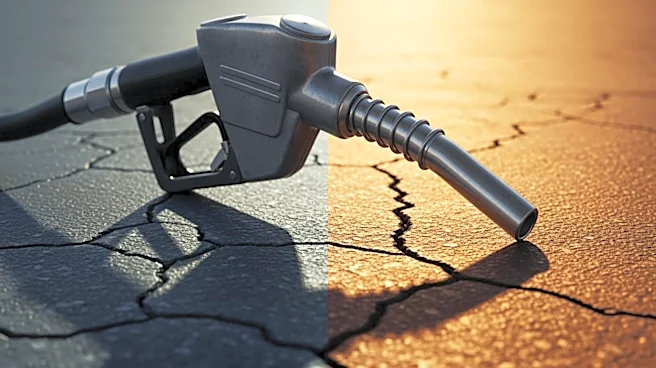
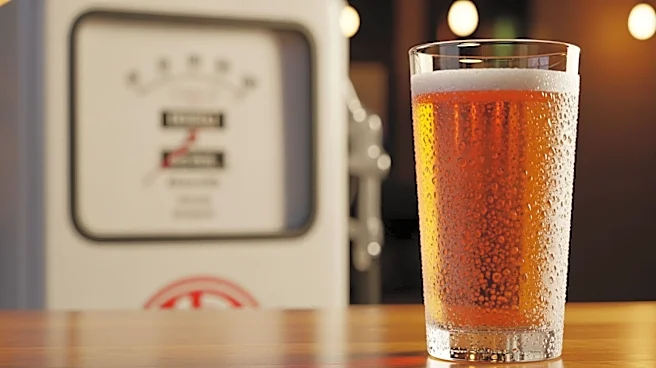
U.S. beer sales have experienced a significant decline, with volumes falling 6.3% year over year through the week ending May 2, according to Nielsen-tracked data. This downturn is attributed to rising gasoline prices, which are impacting consumer spending,
particularly in convenience retail channels. The decline in beer sales is part of a broader trend affecting various beverage categories, indicating increased financial pressure on U.S. consumers. Analysts have noted that convenience stores, which are sensitive to gas station traffic and impulse purchases, have seen a 9% drop in volumes year over year. The University of Michigan survey highlights that one-third of respondents cite gas prices as their primary concern, reflecting a record low in consumer sentiment.
Why It's Important?
The decline in beer sales is a reflection of broader economic pressures facing U.S. consumers, particularly as gas prices continue to rise. This trend suggests that discretionary spending is being curtailed, which could have wider implications for the retail and beverage industries. The impact on major brewers varies, with some brands like Michelob Ultra maintaining stable volumes, while others like Bud Light and Budweiser face significant declines. The situation raises concerns on Wall Street about the potential for a slowdown in consumer spending, which could affect economic growth and retail performance. As consumer confidence wanes, businesses may need to adjust strategies to accommodate changing spending habits.
What's Next?
If gas prices remain high, the pressure on consumer spending is likely to continue, potentially leading to further declines in beer and other beverage sales. Retailers and brewers may need to explore strategies to mitigate the impact, such as promotions or diversifying product offerings. Additionally, policymakers might face increased calls to address rising fuel costs to alleviate consumer financial strain. The ongoing economic conditions could also influence future consumer behavior, with a possible shift towards more budget-conscious purchasing decisions.