







What's Happening?
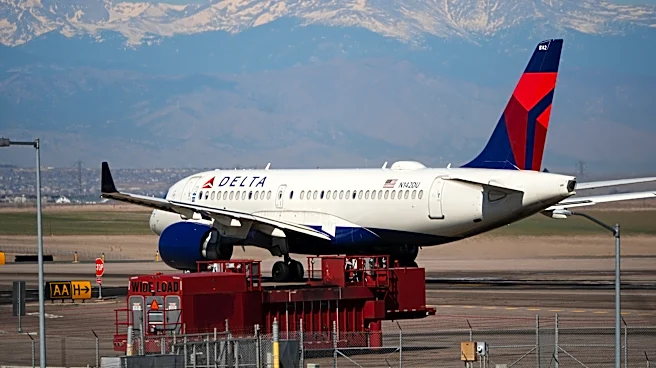
Delta Air Lines has announced a reduction in its capacity growth plans by approximately 3.5% due to soaring fuel costs, a consequence of the ongoing conflict in the Middle East. The airline's CEO, Ed Bastian, highlighted that the increased fuel prices
are expected to add $2 billion in operating expenses for the second quarter alone. The capacity cuts will primarily affect lower-revenue flights, such as overnight red-eye flights and some midweek services. In response to the financial strain, Delta has also raised checked baggage fees to help offset the increased costs. The airline's decision reflects a broader trend among U.S. carriers, which have been adjusting their operations to manage the financial impact of volatile oil prices.
Why It's Important?
The decision by Delta Air Lines to reduce capacity and increase fees is significant as it highlights the broader challenges faced by the airline industry amid fluctuating oil prices. The move could lead to higher airfares, affecting consumers who may face increased travel costs. This situation underscores the vulnerability of airlines to external economic factors, such as geopolitical conflicts that impact fuel prices. The adjustments made by Delta and other airlines could influence travel patterns, potentially reducing demand for certain flights and impacting the overall travel industry. Additionally, the financial strain on airlines may lead to further operational changes, affecting employment and service offerings.
What's Next?
Delta Air Lines and other carriers will likely continue to monitor fuel prices closely and adjust their operations accordingly. The airline industry may see further capacity reductions or fare increases if fuel prices remain elevated. Stakeholders, including passengers and industry analysts, will be watching for any signs of stabilization in oil prices, which could influence future airline strategies. Additionally, airlines may explore alternative cost-saving measures or revenue-generating strategies to mitigate the impact of high fuel costs. The situation remains fluid, and airlines will need to remain agile in their responses to ongoing economic challenges.