

What's Happening?
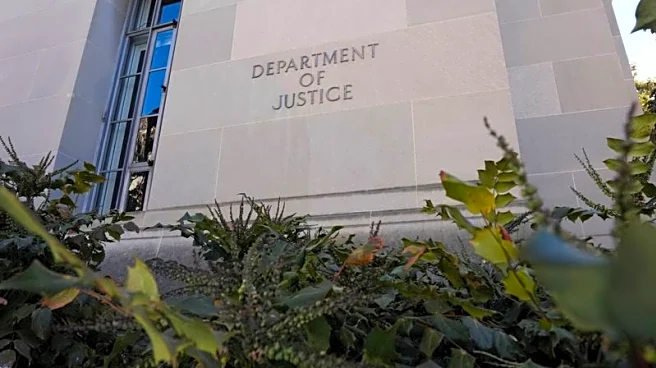
Nexstar Media Group has completed its $6.2 billion acquisition of Tegna, following approval from the FCC and the Department of Justice. The merger, which significantly expands Nexstar's reach, has been met with enthusiasm from Wall Street, boosting Nexstar's stock
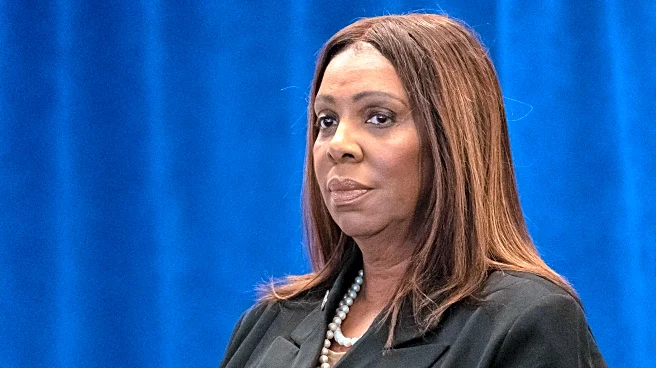
by 2%. However, the merger faces opposition from state attorneys general and DirecTV, who have filed lawsuits citing antitrust concerns. The FCC granted a waiver allowing the combined company to exceed the 39% ownership cap, potentially reaching 80% of U.S. households. Despite legal challenges, the merger is seen as a catalyst for further consolidation in the media industry.
Why It's Important?
The Nexstar-Tegna merger represents a significant shift in the U.S. media landscape, potentially setting a precedent for future media consolidations. By expanding its reach, Nexstar could influence local journalism and advertising markets, impacting how news is delivered and consumed. The merger's approval, despite legal challenges, highlights ongoing debates about media ownership caps and their relevance in today's digital age. Proponents argue that larger media entities can better compete with tech giants, while opponents fear reduced competition and diversity in local news. The outcome of this merger could shape regulatory approaches to media ownership and influence future mergers.
What's Next?
The legal challenges against the merger are ongoing, with state attorneys general and DirecTV seeking to block the deal. The outcome of these lawsuits could affect the merger's final implementation and set legal precedents for future media consolidations. Additionally, the FCC's decision to grant a waiver for the ownership cap may prompt discussions about revising media ownership regulations. Industry stakeholders will be closely monitoring these developments, as they could impact strategic decisions and market dynamics in the media sector.