

What's Happening?
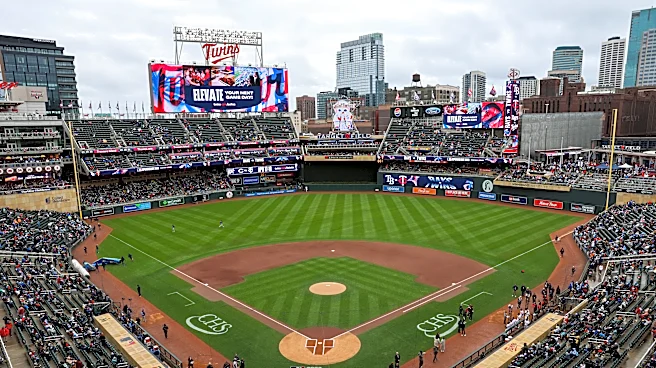
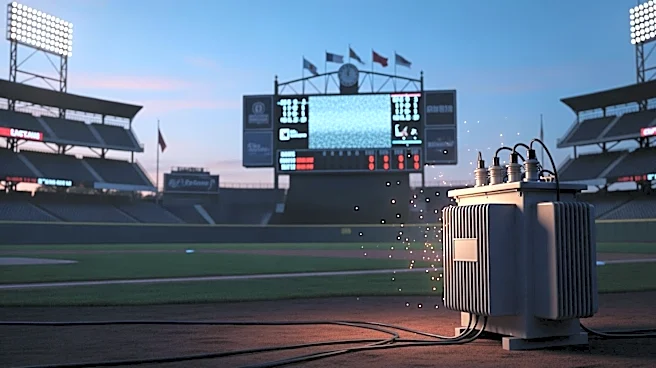
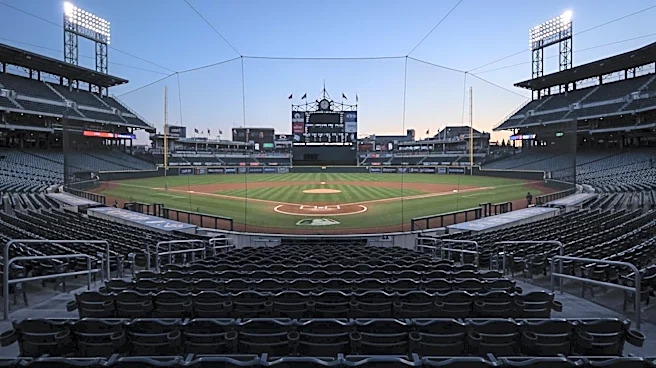
The Minnesota Twins' home opener at Target Field was delayed due to a power outage that affected the entire Minneapolis neighborhood of North Loop. The outage occurred around 1:52 p.m. central time, just over an hour before the scheduled first pitch at 3:10
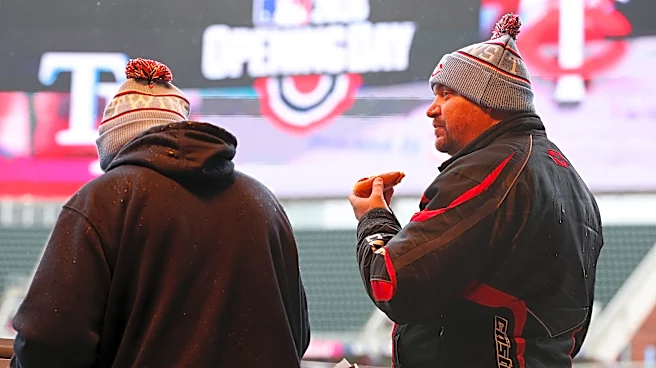
p.m. Power was restored to the stadium by 2:48 p.m., but the delay impacted pregame ceremonies, including a planned tribute to Minnesota-based U.S. Olympians and the national anthem. The outage also affected the stadium's cashless concession stands, which were unable to operate during the downtime. The Twins had planned to debut a new 'pregame happy hour' offering $2 beers, hot dogs, and other snacks, which was also disrupted. Once power was restored, the team extended the happy hour until the end of the second inning to thank fans for their patience.
Why It's Important?
The power outage at Target Field highlights the vulnerability of large public events to infrastructure issues, which can disrupt not only the event itself but also the fan experience. For the Minnesota Twins, this incident underscores the importance of reliable power systems, especially as they seek to enhance fan engagement through new initiatives like the 'pregame happy hour.' The delay could have affected attendance and revenue, as fans might have been discouraged by the disruption. However, the team's decision to extend the happy hour demonstrates a commitment to maintaining a positive relationship with their audience. This incident also serves as a reminder for other sports venues to assess and improve their contingency plans for similar situations.
What's Next?
Following the power outage, the Minnesota Twins and Target Field management may conduct a review of their electrical systems and emergency protocols to prevent future occurrences. They might also consider investing in backup power solutions to ensure that games and fan experiences are not disrupted. Additionally, the team will likely continue to focus on fan engagement strategies to rebuild trust and ensure a positive experience at future games. Stakeholders, including local businesses and the city of Minneapolis, may also be involved in discussions to address broader infrastructure reliability in the area.