





What's Happening?
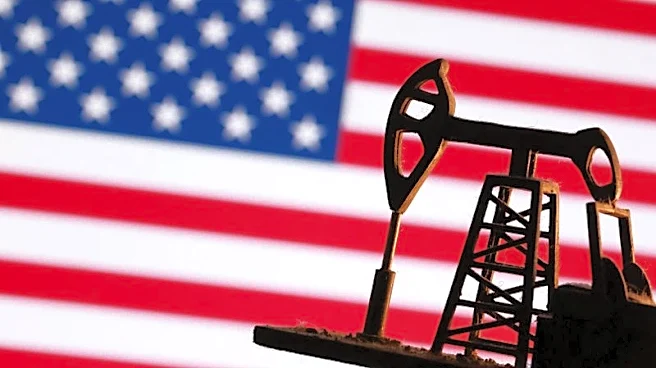
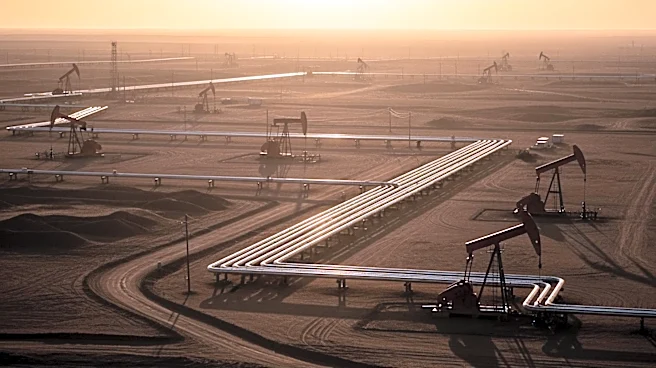
The U.S. Department of the Interior has announced a record-setting federal oil and gas lease sale in the Permian Basin, generating over $4 billion in total receipts. This quarterly lease sale, managed by the Bureau of Land Management, included 74 parcels
covering 33,530 acres in New Mexico and Texas. The sale marks the largest onshore federal lease sale in U.S. history, surpassing the previous record of approximately $972 million set in 2018. Revenue from the sale will be shared between the federal government and the states where the leased acreage is located. The sale was conducted under the Working Families Tax Cuts Act, which reduced the federal royalty rate for new onshore oil and gas production to 12.5%, reversing the 16.67% rate established under the Inflation Reduction Act.
Why It's Important?
This lease sale is significant as it reflects a shift in U.S. energy policy under President Trump's administration, emphasizing increased domestic oil and gas production. The reduced royalty rate is intended to encourage more leasing, drilling, and investment activities, particularly in western producing regions. The sale's success is seen as a boost to the U.S. energy sector, potentially leading to increased production, job creation, and enhanced energy security. It also highlights the contrast between the current administration's pro-production policies and the previous administration's regulatory approach, which some industry leaders viewed as restrictive.
What's Next?
Following the lease sale, oil and gas operators are expected to ramp up activities in the Permian Basin, driven by higher crude prices and favorable drilling economics. The leases issued carry an initial 10-year term and remain active as long as hydrocarbons are produced in paying quantities. The ongoing support for domestic oil and gas development on federal lands may lead to further lease sales and increased industry confidence. Stakeholders, including state governments and energy companies, will likely monitor the impact of these policies on production levels and economic growth in the region.