






What's Happening?
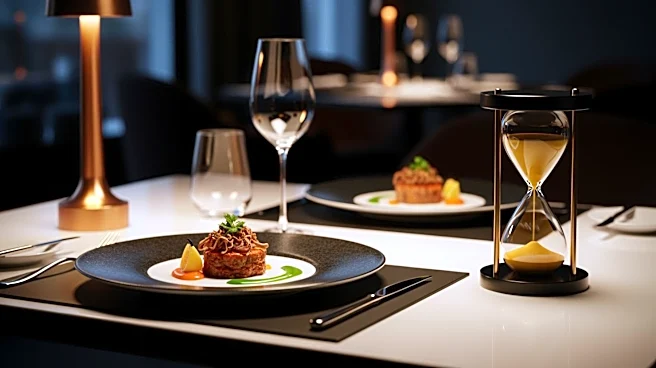
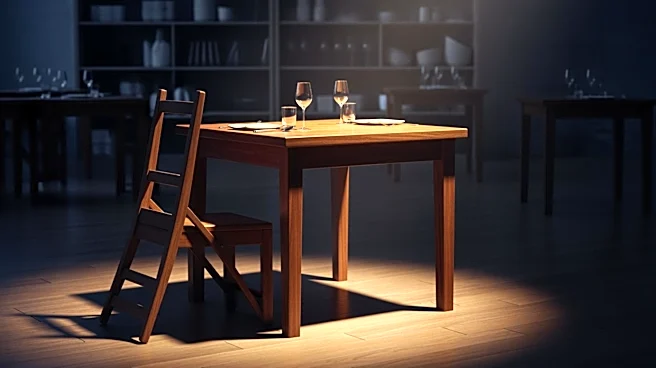
The concept of culinary creativity is being redefined by focusing on cross-modal orchestration, which involves aligning sensory experiences before the food is even tasted. This approach suggests that the dining experience begins long before the food reaches
the plate, with factors such as room ambiance, lighting, sound, and service pace shaping diners' expectations. The article argues that creativity in the culinary world is not just about the final dish but involves a complex interplay of sensory cues that influence perception and taste. This perspective challenges the traditional view that culinary creativity is solely about the originality and technique of the dish itself.
Why It's Important?
This shift in understanding culinary creativity has significant implications for the restaurant industry, particularly in fine dining. It suggests that chefs need to consider the entire dining experience, not just the food, to meet the growing demand for novelty and creativity. This approach could lead to more innovative dining experiences that engage all the senses, potentially setting new standards in the industry. Additionally, it highlights the psychological pressures chefs face in constantly delivering creative dishes, suggesting a need for a more sustainable approach to culinary innovation.
Beyond the Headlines
The exploration of cross-modal orchestration in culinary creativity also touches on broader themes of sensory perception and human psychology. It suggests that our sensory experiences are interconnected and that understanding these connections can enhance creativity in various fields, not just gastronomy. This perspective could influence how other creative industries approach the design of experiences, emphasizing the importance of sensory alignment and anticipation.