





What's Happening?
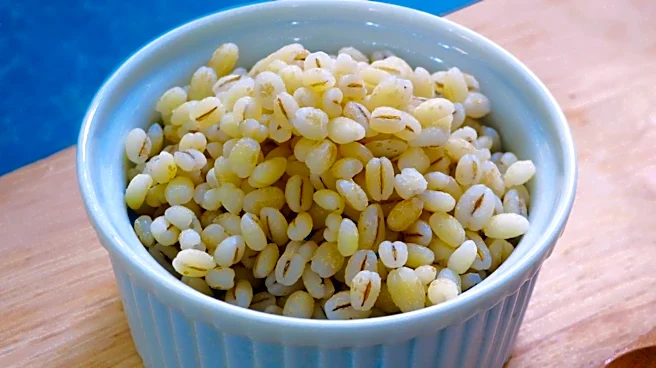
A dietitian has suggested a simple method to increase protein intake by cooking whole grains such as brown rice, farro, and quinoa in bone broth instead of water. This technique not only enhances the flavor of the grains but also adds an extra 5 grams
of protein per serving. The dietitian, Rachael DeVaux, emphasizes the importance of protein in daily nutrition, highlighting its role in muscle maintenance, immune function, and hormone production. She advises setting a protein goal based on individual age and lifestyle, noting that older adults and those engaged in regular exercise may require higher protein intake. DeVaux recommends consuming protein throughout the day, particularly at breakfast, to support overall health and wellness.
Why It's Important?
Protein is a crucial macronutrient necessary for various bodily functions, including muscle building, immune support, and hormone regulation. As people age, they naturally lose muscle mass, making adequate protein intake even more essential. The dietitian's advice to incorporate protein into grains offers a practical way to enhance daily protein consumption without significant dietary changes. This approach can be particularly beneficial for individuals looking to increase their protein intake for health reasons or to support an active lifestyle. By promoting a balanced diet rich in protein, the method aligns with broader public health goals of preventing age-related muscle loss and supporting metabolic health.
What's Next?
Individuals interested in adopting this dietary tip can start by determining their daily protein needs and experimenting with cooking grains in bone broth. This method can be easily integrated into meal planning, offering a flavorful and nutritious alternative to traditional grain preparation. As awareness of the importance of protein continues to grow, more people may seek out similar dietary strategies to enhance their nutrition. Additionally, further research and public health initiatives may focus on promoting protein-rich diets as a means to support healthy aging and prevent chronic diseases.