
What's Happening?
Pittsburgh Steelers star T.J. Watt suffered a partially collapsed lung following a dry needling treatment at the team's facility. The incident occurred on a Wednesday, and Watt underwent surgery the following day to
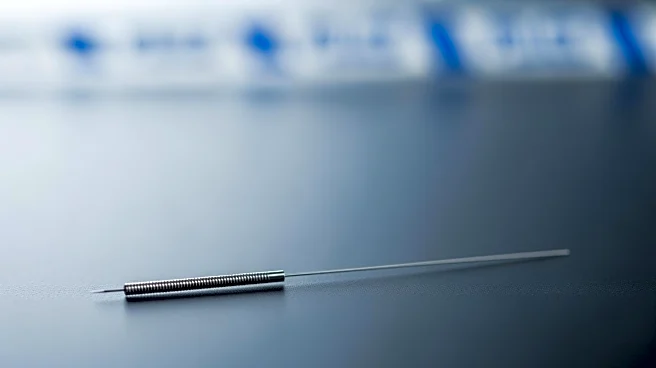
repair and stabilize his lung. He was released from the hospital on Friday. The Steelers have not provided detailed information about the incident, but it has been confirmed by Watt's brother, J.J. Watt, that the injury was related to the dry needling session. Dry needling is a common practice in athletic rehabilitation, used to alleviate muscle pain and improve movement. However, it carries risks, including the rare possibility of a pneumothorax, or punctured lung. The NFL Players Association is monitoring the situation, emphasizing the importance of Watt's health and recovery.
Why It's Important?
This incident highlights the potential risks associated with dry needling, a treatment increasingly used in sports medicine. While generally considered safe, the occurrence of a serious injury like a collapsed lung raises questions about the procedure's safety protocols and the qualifications required to perform it. For the Steelers, Watt's absence is significant as they lead the AFC North and aim for a playoff spot. Historically, the team has struggled without Watt, emphasizing his critical role in their defense. The situation also draws attention to the broader implications for player safety and the need for stringent oversight in medical treatments within professional sports.
What's Next?
The Steelers will need to adjust their defensive strategy in Watt's absence, relying on players like Alex Highsmith and Nick Herbig to fill the gap. The timeline for Watt's return remains uncertain, but his recovery will be closely monitored. The incident may prompt the NFL and other sports organizations to review the safety and regulatory standards of dry needling and similar treatments. Additionally, there could be increased scrutiny on the medical practices employed by sports teams to ensure player safety.