
What's Happening?
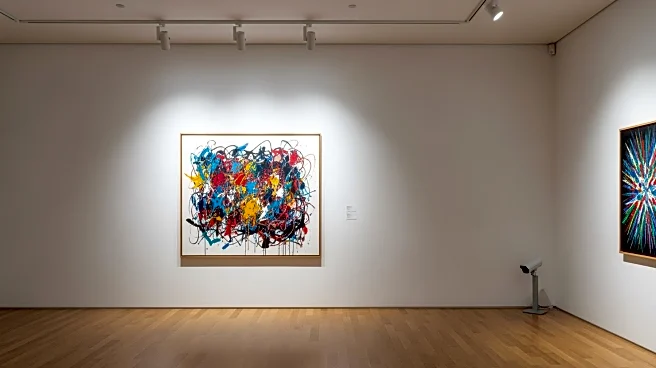
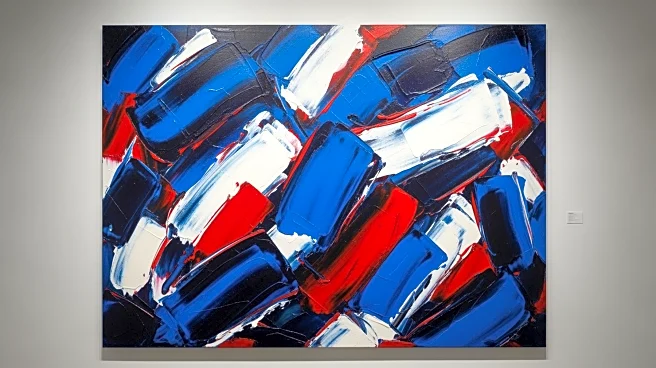
Van Doren Waxter in New York is currently hosting an exhibition titled 'Portraits,' which revisits the work of the late American artist Jackie Saccoccio. Known for her abstract art, Saccoccio's work is characterized by a unique blend of gestural abstraction
and influences from Italian art, particularly Roman Baroque painting and architecture. The exhibition, which runs through April 24, 2026, features five paintings and seven works on paper, showcasing the height of Saccoccio's experimental process. Her art is noted for its physicality, achieved through techniques such as dragging, pressing, and dripping paint, which create a balance between control and coincidence. This exhibition marks the second solo show dedicated to Saccoccio since her death in 2020 at the age of 56.
Why It's Important?
The exhibition at Van Doren Waxter highlights the enduring impact of Jackie Saccoccio's work on the art world, particularly in the realm of abstract expressionism. By revisiting her art, the exhibition not only honors her legacy but also invites a new generation of art enthusiasts to engage with her unique visual language. Saccoccio's work bridges the gap between the visual and the tactile, offering a fresh perspective on abstraction that challenges traditional notions of portraiture. This exhibition provides an opportunity for reflection on the evolution of abstract art and its relevance in contemporary artistic discourse.
What's Next?
As the exhibition continues, it is likely to attract art critics, collectors, and enthusiasts who are interested in exploring the nuances of Saccoccio's work. The exhibition may also inspire further scholarly research and discussions on the influence of Italian art on American abstract expressionism. Additionally, the success of this exhibition could lead to more retrospectives and exhibitions of Saccoccio's work in other galleries and museums, further cementing her place in the art world.
Beyond the Headlines
Jackie Saccoccio's work, with its emphasis on process and mark-making, challenges viewers to reconsider the boundaries between abstraction and representation. Her art invites contemplation on the psychological and emotional dimensions of abstraction, offering a space for viewers to explore their own interpretations. The exhibition also raises questions about the role of women in abstract expressionism and the broader art world, highlighting the need for greater recognition and representation of female artists.