



What's Happening?
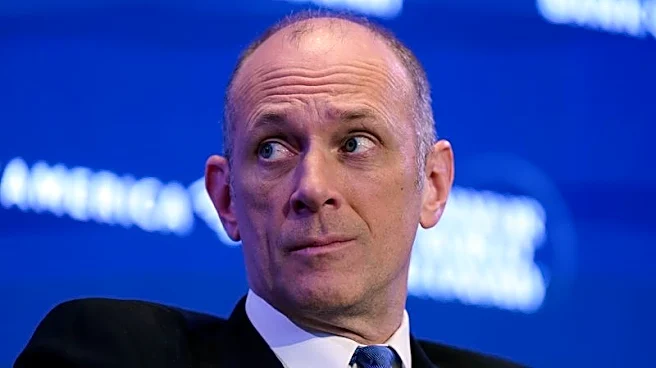
Investor Paul Tudor Jones expressed his views on the future actions of the Federal Reserve under the incoming chair, Kevin Warsh, during an interview on CNBC's 'Squawk Box'. Jones stated that there is 'no chance' Warsh will cut interest rates and suggested
that Warsh might even consider raising them. This comes despite Warsh's known inclination towards easing monetary policy. The Federal Reserve's current benchmark overnight rate is between 3.5% and 3.75%, a level maintained since December. Warsh will face a Federal Open Market Committee (FOMC) that recently experienced the highest number of dissents in nearly 34 years, primarily from regional presidents who opposed the language suggesting potential further rate cuts. Jones highlighted the possibility of rate hikes, citing the need to evaluate economic data and the constraints Warsh might face before the upcoming election. The economic environment is characterized by a stabilized labor market, ongoing inflation pressures due to the Iran war, and tariffs imposed by President Trump.
Why It's Important?
The stance of the Federal Reserve on interest rates is crucial for the U.S. economy, affecting everything from consumer loans to business investments. Paul Tudor Jones' prediction that Kevin Warsh will not cut rates, and might even raise them, suggests a potential shift in monetary policy that could impact economic growth and inflation. With inflation remaining above the Fed's 2% target, any decision to raise rates could help curb inflation but might also slow down economic growth. The FOMC's recent dissents indicate a divided opinion on the path forward, reflecting the complexity of balancing economic stability with growth. Stakeholders such as businesses, investors, and consumers will be closely monitoring these developments, as interest rate decisions directly influence borrowing costs and investment returns.
What's Next?
As Kevin Warsh assumes the role of Federal Reserve Chair, his approach to interest rates will be closely scrutinized. The FOMC's upcoming meetings will be pivotal in determining the direction of monetary policy. Market participants will be watching for any signals from Warsh regarding his stance on rate adjustments. The economic data, particularly related to inflation and employment, will play a significant role in shaping these decisions. Additionally, the political landscape, including the upcoming election, may influence the Fed's actions. Traders and investors will likely adjust their strategies based on the Fed's policy signals, impacting financial markets and economic forecasts.