



What's Happening?
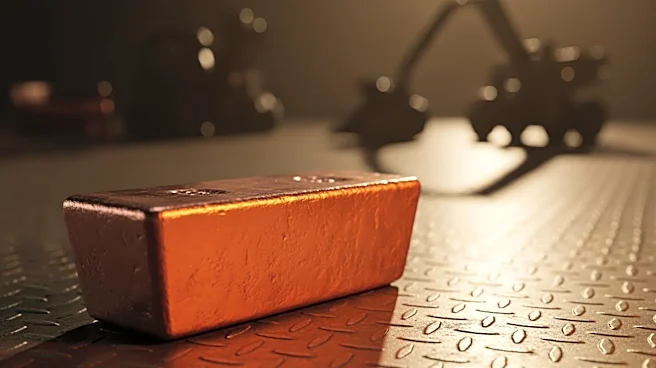
Prime Minister Narendra Modi has highlighted the strategic importance of copper in India's economic and national security landscape. During a public meeting in Secunderabad, Modi emphasized the contradiction of India’s increasing reliance on copper imports
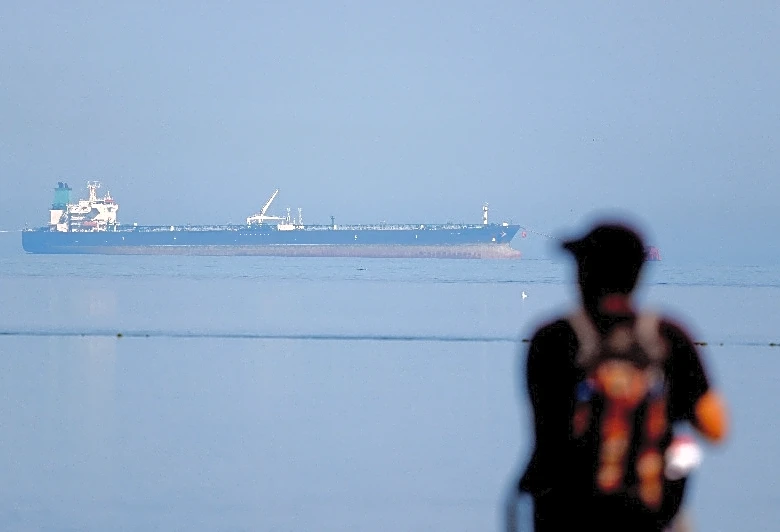
despite having the capacity for domestic production. This reliance has grown since the closure of the Sterlite Copper plant, which turned India from a net exporter to a net importer of refined copper. Modi's comments come at a time of geopolitical instability, particularly in West Asia, which has exposed vulnerabilities in global supply chains. The Prime Minister urged industrial stakeholders to consider India's long-term strategic interests, especially as the demand for copper is expected to rise significantly due to the country's ambitions in electric mobility and renewable energy.
Why It's Important?
The issue of copper production is critical for India as it seeks to bolster its economic resilience and reduce dependency on imports. Copper is a vital component in the global clean energy transition, and India's growing import reliance poses economic and strategic risks. The closure of domestic production facilities like Sterlite Copper has not only increased import costs but also raised concerns about environmental accountability. Restarting domestic production could help India meet its rising copper demand, projected to double by 2030, while also addressing environmental and public health concerns. The debate over Sterlite Copper's reopening reflects broader challenges in balancing industrial growth with environmental sustainability.
What's Next?
The future of India's copper production may hinge on the outcome of proposals currently before the Madras High Court. These proposals include implementing upgraded emission control technologies and stronger community oversight mechanisms. If approved, they could pave the way for Sterlite Copper to reopen under stricter environmental regulations. This could serve as a model for responsible industrialization in India, potentially influencing policy decisions in other sectors. The outcome will be closely watched by industrial stakeholders, environmental groups, and policymakers as it could set a precedent for balancing industrial growth with environmental protection.
Beyond the Headlines
The Sterlite Copper debate underscores the need for India to develop a new model of industrialization that integrates environmental accountability. This situation highlights the broader challenge of ensuring that industrial growth does not come at the expense of environmental and public health. The case also raises questions about India's ability to regulate and monitor environmental conditions in industries abroad, as the copper it imports is often produced under less stringent conditions. The resolution of this issue could have long-term implications for India's industrial policy and its role in the global clean energy transition.