







What's Happening?
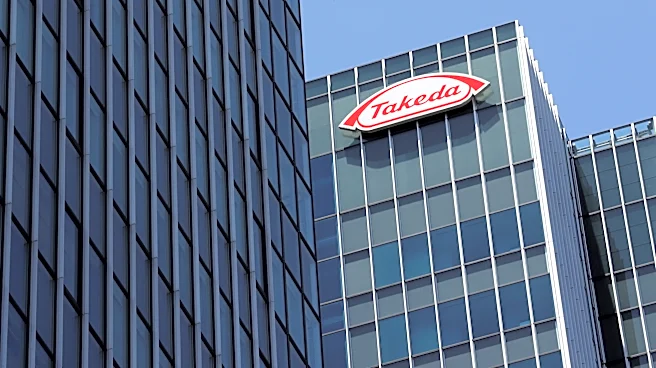
A jury in Boston has found Takeda Pharmaceuticals liable for $885 million in damages, potentially increasing to $2.5 billion, for unlawfully delaying generic competition to its constipation drug, Amitiza. The lawsuit claims Takeda entered into an agreement
with Par Pharma to delay the introduction of a generic version, resulting in higher costs for wholesalers, insurers, health funds, and retailers. Takeda plans to appeal the decision, arguing that the agreement was consistent with legal frameworks and allowed for an authorized generic launch in 2021. The Federal Trade Commission (FTC) has highlighted that such 'pay-for-delay' deals cost consumers and taxpayers $3.5 billion annually in higher drug costs.
Why It's Important?
The ruling against Takeda underscores the ongoing scrutiny and legal challenges faced by pharmaceutical companies over 'pay-for-delay' agreements. These deals are criticized for keeping drug prices high by delaying the entry of cheaper generic alternatives. The case highlights the broader issue of drug pricing and antitrust practices in the pharmaceutical industry, which have significant financial implications for consumers and healthcare providers. The outcome of this case could influence future litigation and regulatory actions aimed at curbing such practices, potentially leading to more competitive pricing in the drug market.
What's Next?
Takeda has announced its intention to pursue post-trial motions and an appeal, which could delay the final judgment and any potential financial penalties. The case may also prompt further regulatory scrutiny and legislative efforts to address 'pay-for-delay' agreements. The pharmaceutical industry will likely monitor the case closely, as its outcome could set a precedent for similar lawsuits and impact how companies negotiate patent settlements in the future.