






What's Happening?
Helion, a nuclear fusion energy company based in Washington, has successfully raised $465 million in its latest funding round, led by Thrive Capital. This new investment has elevated the company's valuation to $15.5 billion, a significant increase from
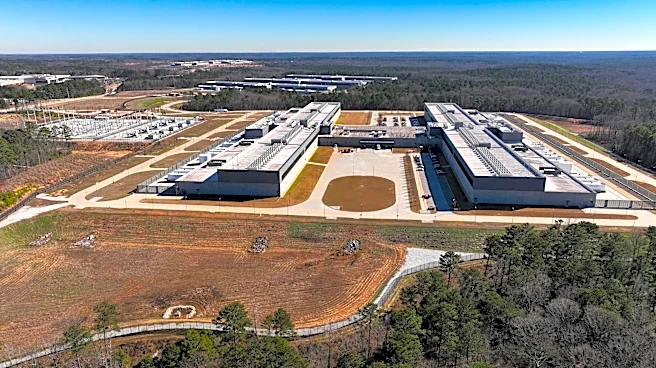
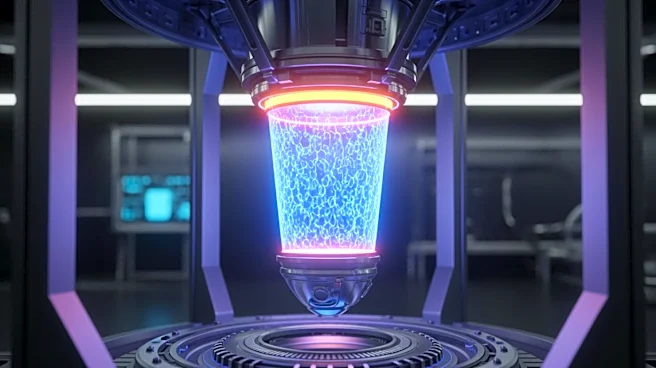
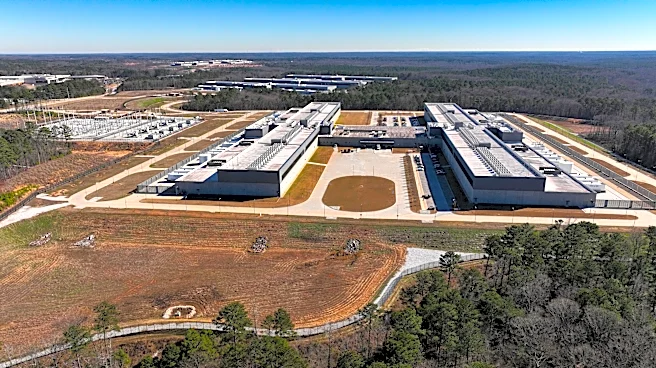
its previous valuation of $5.4 billion in January 2025. The funding round highlights the growing demand for electricity, particularly to power data centers dedicated to artificial intelligence operations. Helion plans to use the funds to accelerate the commercial deployment of its technology, expand manufacturing capacity, and support the delivery of clean electricity. The company, founded in 2013, is working on its first power plant, Orion, in Malaga, Washington, and has signed agreements with Microsoft and Nucor for future electricity supply and power plant development.
Why It's Important?
The substantial increase in Helion's valuation underscores the rising interest and investment in nuclear fusion as a potential solution to meet the world's growing energy demands. As data centers and AI operations expand, the need for sustainable and efficient energy sources becomes critical. Helion's advancements in nuclear fusion technology could play a pivotal role in providing clean energy, reducing reliance on fossil fuels, and addressing climate change. The involvement of major investors and partnerships with companies like Microsoft indicates confidence in Helion's ability to deliver on its promises, potentially setting a precedent for future investments in the fusion energy sector.
What's Next?
Helion's next steps involve the continued development of its Orion power plant and the fulfillment of its agreements with Microsoft and Nucor. The company aims to supply electricity by 2028, which will require significant advancements in its fusion technology. As Helion progresses, it may face challenges related to the technical and financial aspects of scaling up its operations. The success of Helion's projects could influence the broader energy market, encouraging further investment in nuclear fusion and potentially leading to regulatory changes to support the deployment of fusion energy solutions.