




What's Happening?
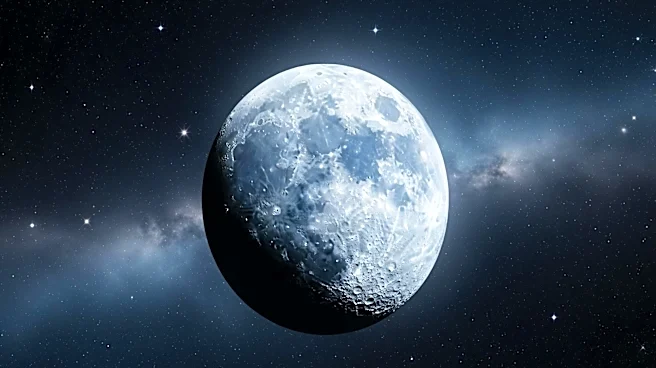
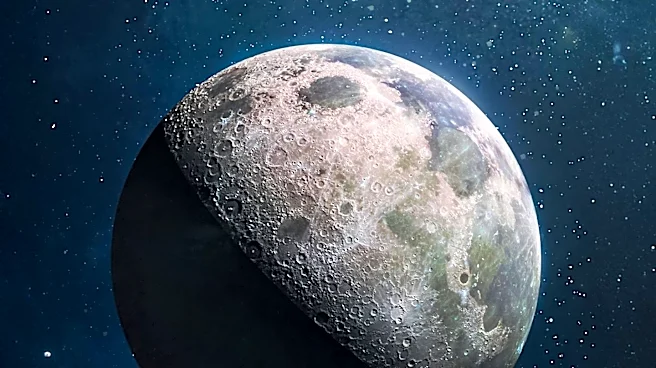
Karsten Mueller has created a unique project that brings a miniature version of the Moon to your desk. This innovative device uses a circular display, an ESP32-S3 microcontroller, and a 3D printed case to simulate the Moon's appearance based on your local
time, latitude, and longitude. The software behind the device is designed to provide an accurate representation of the Moon's phases, even when it is not visible due to daylight or Earth's shadow. Initially, the project utilized a personal photograph of the Moon taken by Mueller, but it also offers the option to use imagery from NASA. The project is documented in German, with an English version available on Hackaday.io, and the source code is accessible on GitHub for those interested in building their own version.
Why It's Important?
This project highlights the intersection of technology and astronomy, offering a practical application for microcontrollers and 3D printing in educational and hobbyist contexts. By simulating the Moon's phases, the device serves as a tool for learning and engagement, potentially sparking interest in astronomy and science among users. It also demonstrates the capabilities of the ESP32-S3 microcontroller in handling complex calculations and displays, showcasing its potential for other innovative projects. The availability of the project’s source code encourages community involvement and further development, fostering a collaborative environment for tech enthusiasts.