



What's Happening?
Australian mining company Fortescue is advancing its plans to eliminate fossil fuel usage at its iron ore operations by 2028, two years earlier than initially planned. The company is implementing an autonomous green energy system to replace diesel, driven
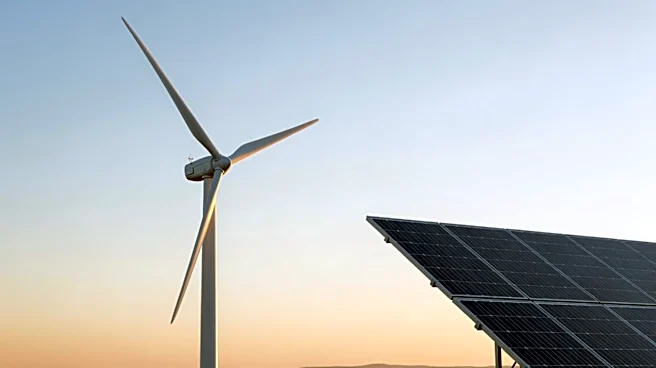
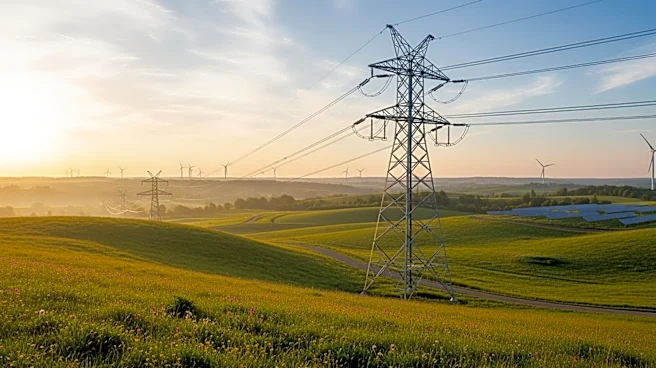
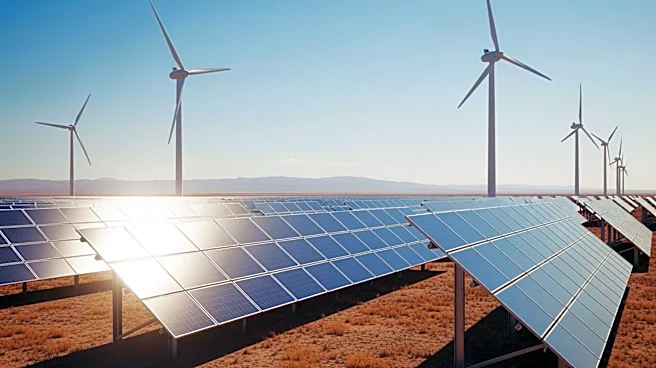
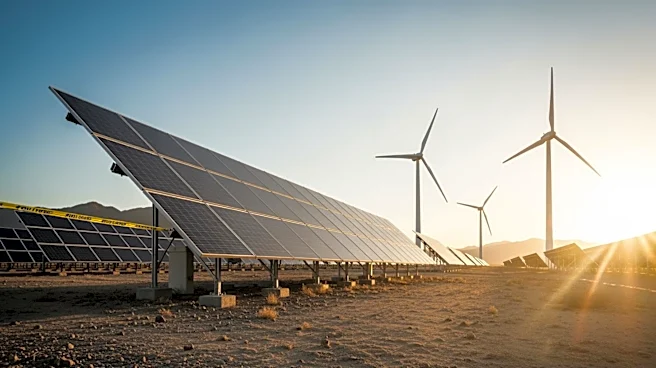
by rising energy costs due to geopolitical tensions. Fortescue aims to save $100 million in fossil fuel costs by next year and reduce the cost of processing wet ore by $2-4 per ton. The company has set a target to achieve net-zero carbon emissions by 2030 without relying on carbon offsets. The renewable energy infrastructure includes 1.2 GW of solar power, over 600 MW of wind power, and 4-5 GWh of battery storage, with plans to operate 24/7 without fossil fuels by the end of next year.
Why It's Important?
Fortescue's initiative is significant as it represents a major shift towards sustainable energy in the mining sector, potentially setting a precedent for other companies facing similar challenges. The move could lead to substantial cost savings and reduce the environmental impact of mining operations. By achieving net-zero emissions, Fortescue could enhance its market competitiveness and appeal to environmentally conscious investors. The transition also highlights the growing importance of renewable energy in mitigating the effects of geopolitical conflicts on energy prices, offering a stable and sustainable alternative to fossil fuels.
What's Next?
Fortescue plans to complete the installation of 290 MW of renewable capacity by early 2027 to meet its ore processing needs. The company aims to operate its Pilbara region grid entirely on renewable energy by the end of next year. As Fortescue progresses towards its net-zero goal, it may face challenges related to technology integration and infrastructure development. The success of this initiative could influence other mining companies to adopt similar strategies, potentially leading to broader industry changes in energy sourcing and sustainability practices.