






What's Happening?
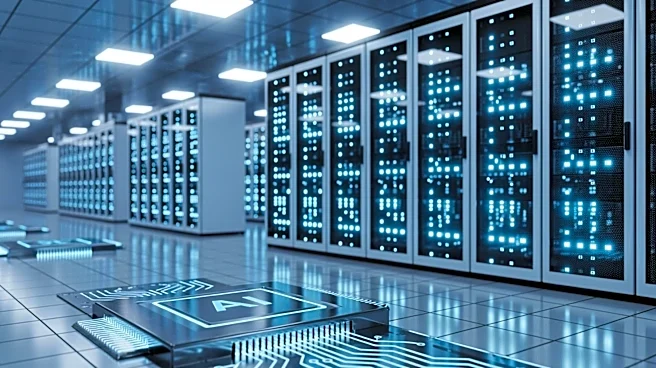
U.S. investor-owned utility companies plan to invest $1.4 trillion in electricity infrastructure by 2030, driven by the growing demand from AI-powered data centers. This investment is more than double the amount spent in the previous decade, according
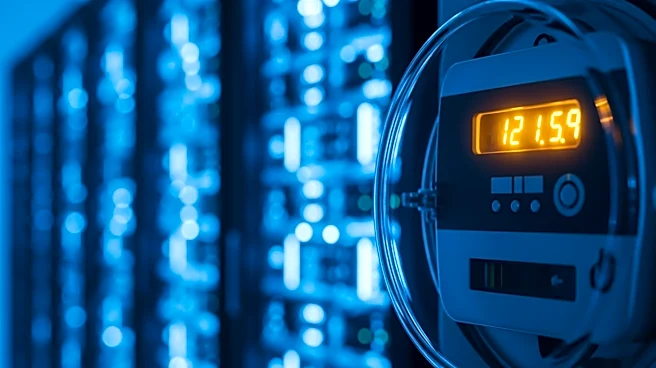
to a report by PowerLines. The surge in capital expenditure is largely attributed to the need for enhanced infrastructure to support the increasing electricity demand from data centers, which are projected to consume up to 9% of the country's total electricity by 2030. The report highlights that utilities typically recover these costs through rate increases approved by state regulators, which could lead to higher electricity bills for consumers. The U.S. Energy Information Administration projects a 5.1% rise in average residential electricity prices in 2026.
Why It's Important?
The planned $1.4 trillion investment by U.S. utilities underscores the significant impact of AI and data center growth on the national electricity infrastructure. As data centers become a major driver of electricity demand, utilities are compelled to upgrade and expand their infrastructure, which could lead to increased electricity costs for consumers. This investment is crucial for maintaining grid reliability and accommodating the rapid growth in electricity consumption. However, the financial burden on consumers could be substantial, with residential customers potentially bearing nearly half of the investment costs. The situation presents a challenge for regulators and utilities to balance infrastructure needs with consumer affordability.
What's Next?
As utilities proceed with their investment plans, state regulators will play a critical role in determining how costs are allocated between residential and industrial customers. The outcome will depend on regulatory decisions regarding rate structures and cost-sharing mechanisms. Additionally, the integration of large electricity consumers like data centers could potentially apply downward pressure on rates if managed effectively. The ongoing investment cycle will require careful planning and coordination to ensure that infrastructure upgrades meet future demand while minimizing the financial impact on consumers. The evolving landscape of electricity demand and infrastructure investment will continue to shape the U.S. energy sector in the coming years.