







What's Happening?
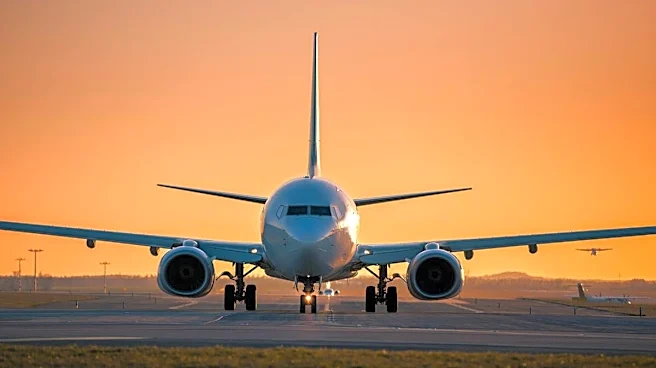
Boeing is advancing towards the certification of its 737 Max 7 and Max 10 aircraft, with the Max 7 expected to receive approval as early as this summer. Boeing CEO Kelly Ortberg announced that the company has completed approximately 80% of the necessary
flight-test programs and has received all required FAA flight-test approvals. The Max 10, which requires a more complex certification process due to its design differences, is anticipated to follow closely behind the Max 7. Boeing has also addressed a critical redesign of the engine anti-ice system, which was a significant hurdle in the certification process. This redesign was necessary to prevent potential overheating and failure of engine components. The FAA has already implemented measures for existing Max 8 and 9 models to mitigate risks associated with the original anti-ice system.
Why It's Important?
The certification of the 737 Max 7 and 10 is crucial for Boeing as it seeks to expand its market share in the narrowbody aircraft segment. The successful certification and subsequent production increase could significantly boost Boeing's financial performance and market competitiveness, especially following the setbacks from the previous grounding of the 737 Max series. The resolution of the anti-ice system issue also demonstrates Boeing's commitment to safety and regulatory compliance, which is vital for restoring confidence among airlines and passengers. Additionally, the anticipated increase in production rates aligns with Boeing's strategic goals to meet growing demand and secure new orders, including a significant deal with China.
What's Next?
Boeing is expected to continue its efforts to complete the remaining certification requirements for the Max 7 and 10. The FAA's approval of these models will likely lead to increased production rates and potentially more orders from airlines looking to modernize their fleets. Boeing's focus will also be on implementing the redesigned anti-ice system across new and existing aircraft to ensure compliance and safety. The aviation industry will be closely monitoring these developments, as they could influence market dynamics and competitive positioning among major aircraft manufacturers.