
What's Happening?
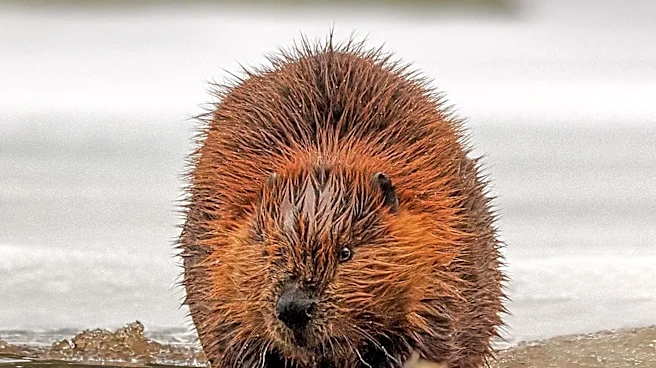
International Beaver Day, celebrated annually on April 7, recognizes the ecological contributions of beavers. These animals, once hunted to near extinction, are making a comeback and are known for their
ability to reshape ecosystems. Beavers build dams that create wetlands, which serve as biodiversity hotspots and help mitigate climate change effects. Recent studies have shown that beaver dams can lower stream temperatures, restore wetlands, and create habitats for various species, including pollinators. Additionally, beaver activity can transform rivers into carbon sinks, capturing and storing carbon dioxide. Despite their ecological benefits, beavers face threats from habitat loss and human development, which often lead to their removal.
Why It's Important?
Beavers play a crucial role in maintaining healthy ecosystems by creating habitats that support biodiversity and enhance climate resilience. Their ability to naturally manage water resources and store carbon positions them as valuable allies in addressing environmental challenges. However, the ongoing threats to beaver populations highlight the need for conservation efforts and a reevaluation of how humans coexist with these animals. Protecting and restoring beaver habitats could offer a cost-effective and sustainable solution to some of the pressing issues related to climate change and biodiversity loss.
Beyond the Headlines
The celebration of International Beaver Day brings attention to the broader implications of beaver conservation. As natural ecosystem engineers, beavers offer insights into sustainable environmental management practices. Their activities demonstrate the potential for nature-based solutions to address complex ecological problems. The recognition of beavers' contributions may inspire further research and policy initiatives aimed at integrating wildlife conservation with climate action strategies. This shift in perspective could lead to more harmonious coexistence between human development and natural ecosystems.