



What's Happening?
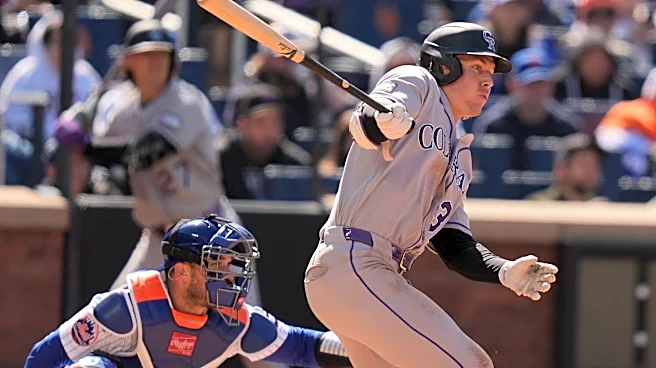
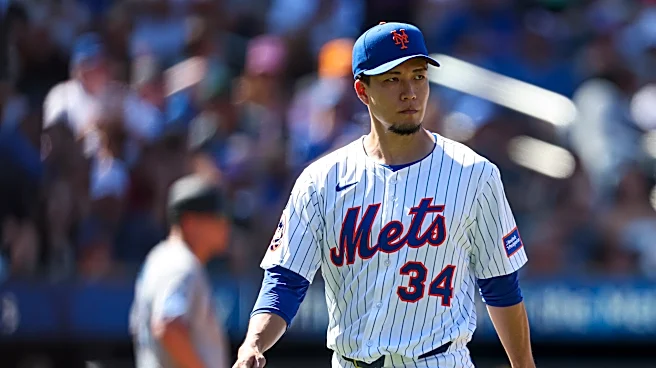
In a recent Major League Baseball game, Brett Baty of the New York Mets became the first player to experience a bases-loaded walk being overturned to a called third strike due to the league's new challenge system. The incident occurred during the first inning
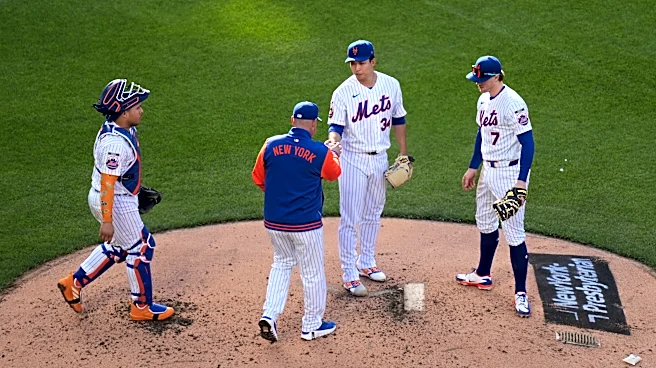
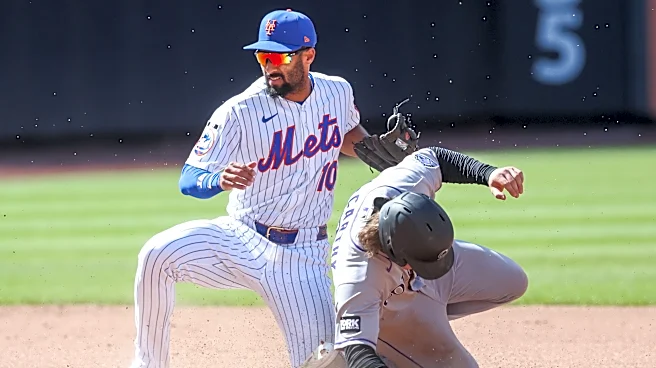
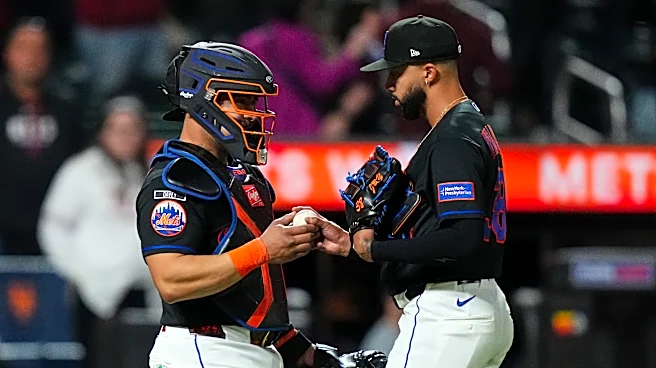
of the Colorado Rockies' 3-1 victory over the Mets. The reversal was prompted by an appeal from Colorado catcher Brett Sullivan, leading the Automated Ball-Strike System (ABS) to change the call. This decision prevented the Mets from taking an early lead, and they ultimately lost both games of the doubleheader, marking their 15th loss in 17 games. The challenge system, which allows teams to contest umpire calls, saw four of seven challenges succeed during the game.
Why It's Important?
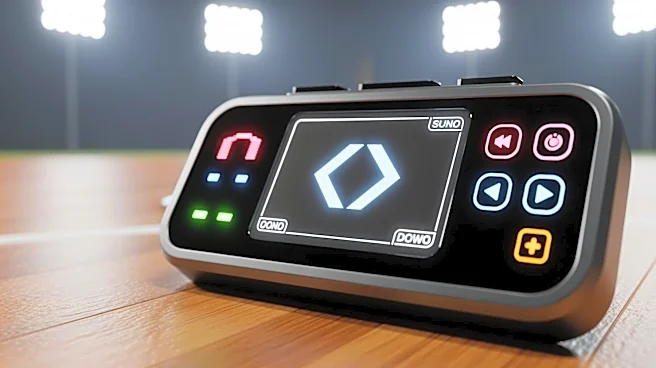
The introduction of the Automated Ball-Strike System represents a significant shift in how baseball games are officiated, potentially altering the dynamics of the sport. This system aims to increase accuracy in umpiring decisions, but it also introduces new challenges for players and teams as they adapt to its implementation. The reversal of Baty's walk highlights the potential impact of technology on game outcomes, influencing team strategies and player performances. As teams adjust to this system, it could lead to changes in how games are managed and how players approach at-bats, potentially affecting the competitive balance within the league.
What's Next?
As the MLB continues to integrate the Automated Ball-Strike System, teams and players will need to adapt to the new technology. This may involve refining strategies for when to challenge calls and how to adjust to the system's decisions. The league will likely monitor the system's impact on game outcomes and consider feedback from teams and players to make any necessary adjustments. The success of this system could pave the way for further technological innovations in sports officiating, potentially influencing other leagues to adopt similar systems.