


What's Happening?
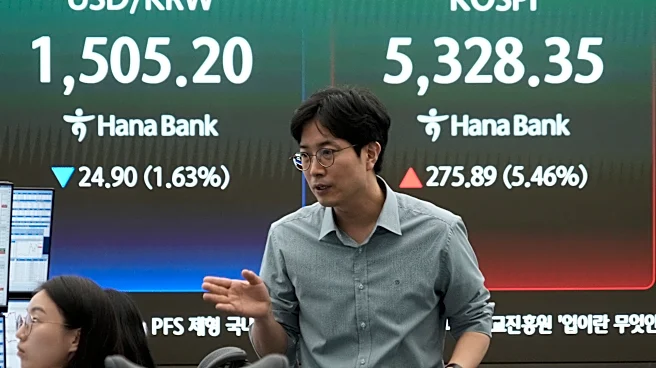
UBS Global Wealth Management, through its CIO Mark Haefele, has issued guidance for investors to manage their portfolios amid ongoing risks related to the Iran conflict. Despite recent market optimism, UBS warns that unresolved issues could lead to continued
volatility, particularly affecting global stock markets sensitive to oil prices. Haefele suggests avoiding exposure to vulnerable markets like Europe and India, while recommending investments in Swiss and European healthcare stocks. Additionally, he advises taking advantage of short-duration quality bonds and considering oil investments, as oil prices may rise if the Strait of Hormuz remains closed.
Why It's Important?
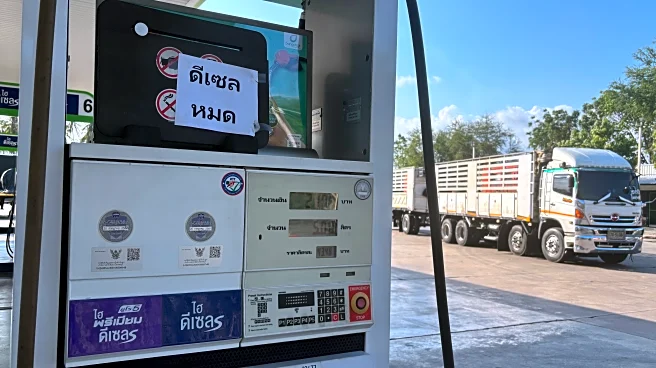
The guidance from UBS is significant for investors navigating the uncertainties of geopolitical tensions, particularly those involving major oil transit routes like the Strait of Hormuz. The potential for prolonged conflict could impact global energy prices and economic stability, affecting various sectors. By recommending strategic adjustments, UBS aims to help investors mitigate risks and capitalize on potential opportunities in defensive sectors and alternative assets. This advice is crucial for maintaining portfolio resilience in the face of geopolitical and economic challenges.
What's Next?
Investors are likely to monitor developments in the Iran conflict closely, as any resolution or escalation could have immediate effects on global markets. UBS's recommendations may lead to increased interest in defensive stocks and short-duration bonds, as well as strategic oil investments. The financial community will be watching for shifts in energy prices and geopolitical dynamics, which could influence future investment strategies and market performance.