


What's Happening?
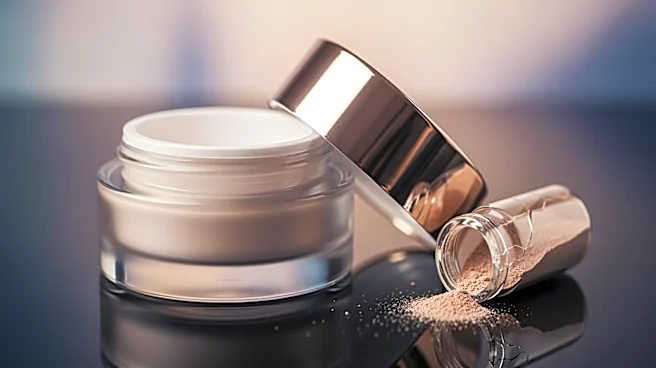
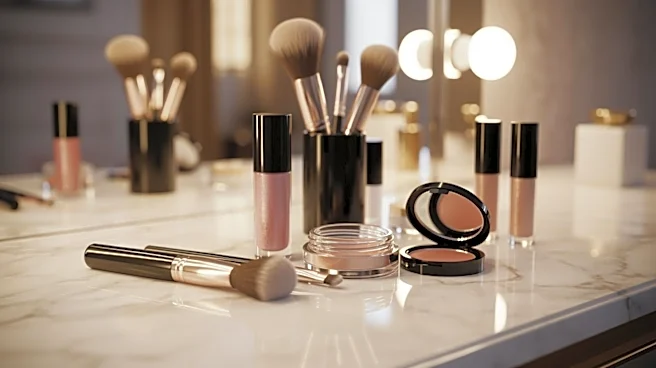
The beauty industry is currently grappling with a significant issue of counterfeit products, which are flooding the market and misleading consumers. Brands like Kylie Cosmetics are among those affected by this surge in counterfeit goods. These fake products not
only misuse brand names and trademarks but also pose serious risks to consumer health. According to Stephanie Davies, a trademark attorney at Withers & Rogers, the proliferation of counterfeit cosmetics undermines brand value and product quality. The issue is compounded by the sheer volume of these counterfeit goods, which are often indistinguishable from legitimate products to the average consumer. This situation has prompted brand owners to take action to protect their trademarks and ensure consumer safety.
Why It's Important?
The rise in counterfeit cosmetics is a critical issue for the beauty industry, impacting both economic and consumer safety aspects. For brands like Kylie Cosmetics, the presence of counterfeit products can lead to significant financial losses and damage to brand reputation. Moreover, these counterfeit goods often do not meet safety standards, posing health risks to consumers who unknowingly purchase them. This situation highlights the need for stricter enforcement of intellectual property rights and consumer protection laws. The beauty industry must also invest in educating consumers about the risks of counterfeit products and how to identify them. The broader impact on the industry includes potential regulatory changes and increased scrutiny on product safety standards.
What's Next?
In response to the counterfeit crisis, beauty brands are likely to enhance their efforts in trademark protection and consumer education. This may involve collaborations with legal experts and government agencies to crack down on counterfeit operations. Additionally, brands might invest in advanced technologies for product authentication, such as unique packaging or digital verification methods. The industry could also see a push for stronger international cooperation to address the global nature of counterfeit trade. As brands take these steps, consumer awareness campaigns will be crucial in helping buyers make informed decisions and avoid counterfeit products.
Beyond the Headlines
The issue of counterfeit cosmetics extends beyond immediate economic and safety concerns, touching on ethical and legal dimensions. The production and sale of counterfeit goods often involve exploitative labor practices and contribute to broader issues of intellectual property theft. This situation calls for a reevaluation of global trade practices and the enforcement of ethical standards in manufacturing. Furthermore, the long-term impact on consumer trust in the beauty industry could lead to shifts in purchasing behavior, with consumers becoming more cautious and demanding greater transparency from brands.