








What's Happening?
Heart surgeons, including Dr. Philip Ovadia, have issued warnings about the dangers of consuming highly processed carbohydrates, which they claim are significantly damaging to heart health. Dr. Ovadia, who has performed over 3,000 heart surgeries, identifies
processed carbs as a major contributor to heart attacks, citing their role in causing insulin resistance, chronic inflammation, and visceral fat accumulation. He advises eliminating foods such as white bread, bagels, breakfast cereals, and flavored yogurt from diets, as these items contribute to the formation of unstable plaque in arteries, leading to heart attacks. Fellow heart surgeon Dr. Jeremy London supports this view, emphasizing the negative impact of foods high in additives and low in nutritional value. NHS doctor Chris van Tulleken also highlights that processed foods have surpassed tobacco as a leading cause of early death globally.
Why It's Important?
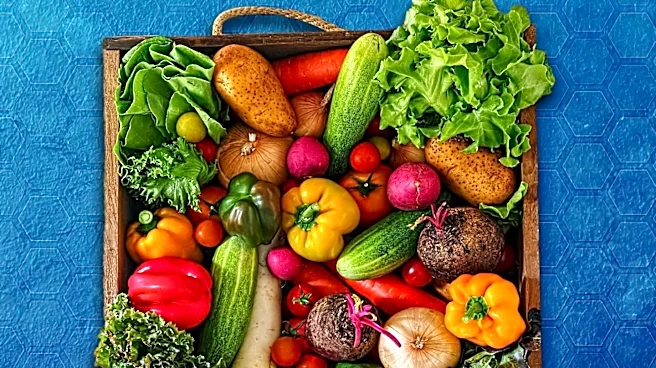
The warnings from heart surgeons underscore a significant public health concern regarding dietary habits and heart disease. Processed carbohydrates are prevalent in many diets, and their consumption is linked to serious health issues, including heart attacks. This information is crucial for public health initiatives aimed at reducing heart disease, which remains a leading cause of death in the U.S. By advocating for a shift towards whole foods like vegetables, animal proteins, and natural fats, these medical professionals aim to reduce the incidence of heart-related illnesses. The broader impact includes potential changes in food industry practices and consumer behavior, as awareness of the health risks associated with processed foods grows.
What's Next?
As awareness of the health risks associated with processed carbohydrates increases, there may be a push for more stringent food labeling and marketing regulations to inform consumers better. Public health campaigns could focus on educating the public about the benefits of whole foods and the dangers of processed carbs. Additionally, the food industry might face pressure to reformulate products to reduce processed ingredients. Healthcare providers may also increase efforts to counsel patients on dietary changes to prevent heart disease.
Beyond the Headlines
The emphasis on reducing processed carbohydrates in diets could lead to broader cultural shifts in how food is perceived and consumed. There may be an increased demand for transparency in food production and sourcing, as well as a rise in popularity for diets that prioritize whole, minimally processed foods. This shift could also influence agricultural practices, with a potential increase in demand for organic and locally sourced produce. Furthermore, the conversation around processed foods and health risks may spark ethical debates about the responsibility of food manufacturers in contributing to public health issues.