






What's Happening?
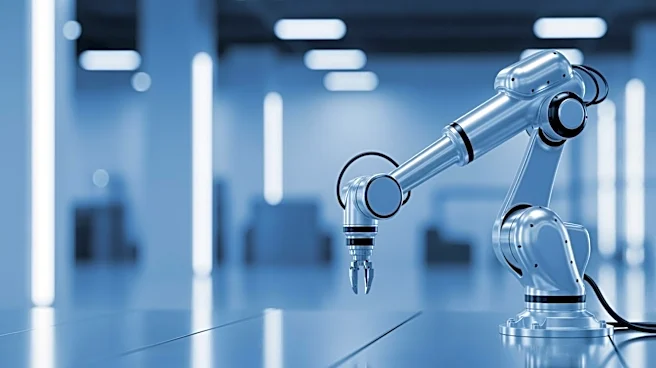
FANUC America has announced a $90 million investment to build an 840,000 square foot facility in Michigan. This new site is intended to expand the company's U.S.-based manufacturing capabilities for robots, supporting the growing demand for automation
solutions across North America. The facility is expected to be completed by late 2027 and will create 225 new jobs. This investment is part of FANUC America's broader strategy to increase its footprint in the U.S., having invested nearly $300 million in new facilities and created over 700 jobs since 2019. The new facility will focus on advanced technologies such as physical AI, virtual commissioning, and digital twin technologies.
Why It's Important?
The investment by FANUC America highlights the increasing importance of the U.S. as a key market for automation and robotics. By expanding its manufacturing capabilities in Michigan, FANUC is positioning itself to better serve the North American market, which is experiencing steady growth due to reshoring initiatives and policies like tariffs. This move aligns with a broader trend of robot manufacturers bringing production closer to key markets to enhance supply chain resilience and reduce costs. The new facility will not only boost FANUC's production capacity but also contribute to local economic development by creating new jobs and fostering technological innovation.
What's Next?
As FANUC America progresses with the construction of its new facility, the company will likely focus on integrating advanced manufacturing technologies to enhance its production processes. The expansion is expected to support the company's efforts to meet the increasing demand for automation solutions, driven by industries seeking to improve efficiency and reduce reliance on overseas production. FANUC may also explore further investments in research and development to stay at the forefront of technological advancements in robotics and automation. The successful completion of this project could set a precedent for other companies in the industry to follow suit, further boosting the U.S. manufacturing sector.