
What's Happening?
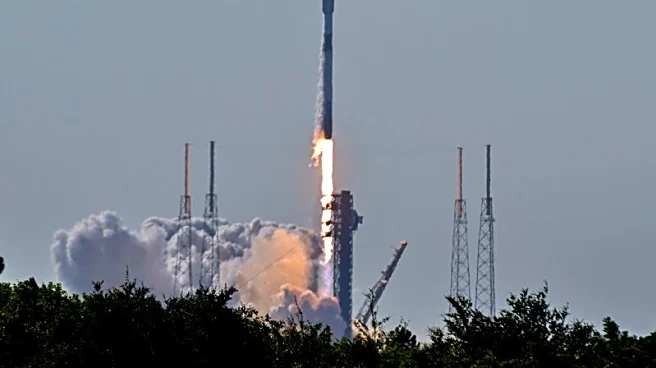
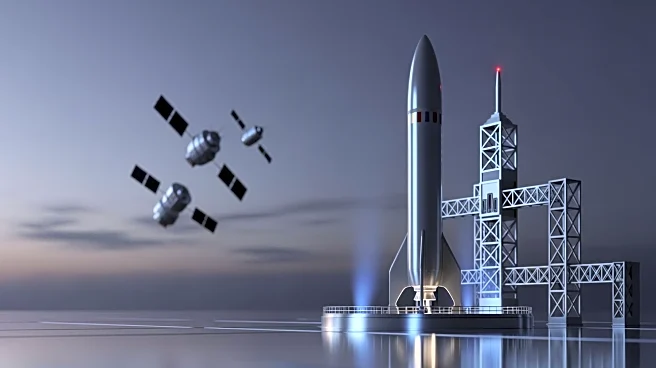
SpaceX successfully launched its Transporter-16 mission from Vandenberg Space Force Base, deploying 119 payloads into orbit. This mission marks SpaceX's first rideshare launch of 2026, featuring a diverse array of satellites aimed at enhancing Earth observation
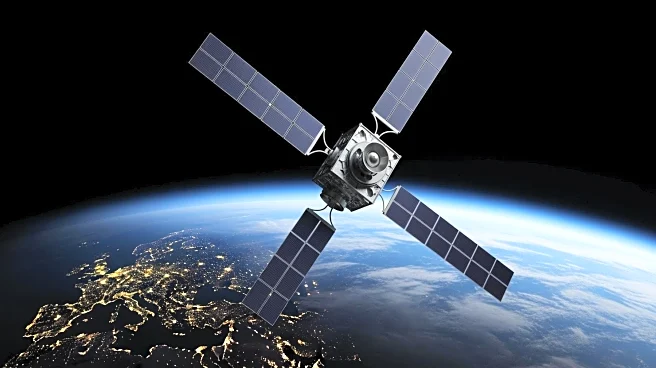
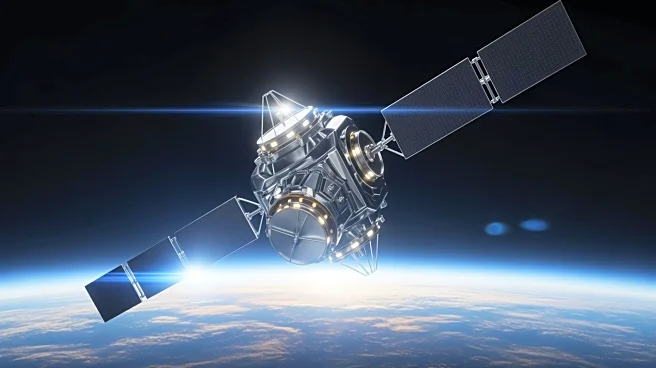
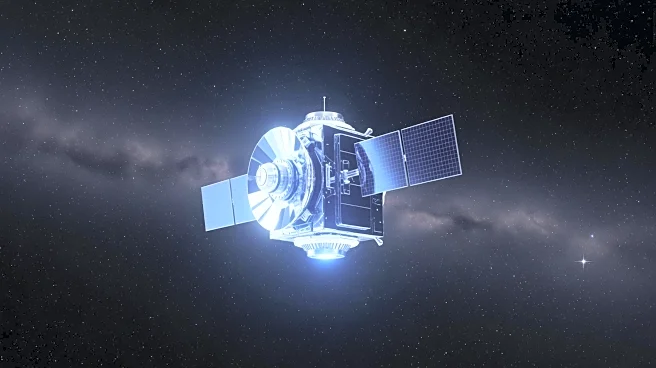
(EO) and communication capabilities. Notable payloads include eight satellites from OHB Italia for the IRIDE EO constellation, six synthetic aperture radar (SAR) satellites from ICEYE, and various other EO satellites from companies like Satellogic and AAC Clyde Space. Additionally, the mission includes satellites focused on radio frequency (RF) sensing and maritime domain awareness, such as those launched by Spire Global and Sierra Nevada Corporation. The launch also advances communication technologies with payloads from the Hellenic Space Agency and other international entities. Many of these satellites are part of secondary rides through orbital transfer vehicles, showcasing the growing trend of shared space missions.
Why It's Important?
The Transporter-16 mission underscores the increasing demand for satellite-based services, particularly in Earth observation and communication. By deploying a wide range of satellites, the mission enhances global capabilities in monitoring environmental changes, maritime activities, and secure communications. This expansion is crucial for industries reliant on satellite data, such as agriculture, defense, and logistics. The mission also highlights the role of rideshare launches in making space more accessible to smaller companies and startups, fostering innovation and competition in the space industry. As satellite constellations grow, they promise to deliver more comprehensive data and connectivity solutions, potentially transforming sectors like weather forecasting and global internet coverage.
What's Next?
Following the successful deployment of these payloads, the satellites will begin their respective operations, contributing to various global networks. Companies involved will likely focus on integrating the new data streams into their existing services and exploring new applications. The success of Transporter-16 may encourage more companies to participate in future rideshare missions, further democratizing access to space. Additionally, the technological advancements demonstrated in this mission, such as laser communications and in-orbit computing, could lead to new developments in satellite technology and capabilities.