
What's Happening?
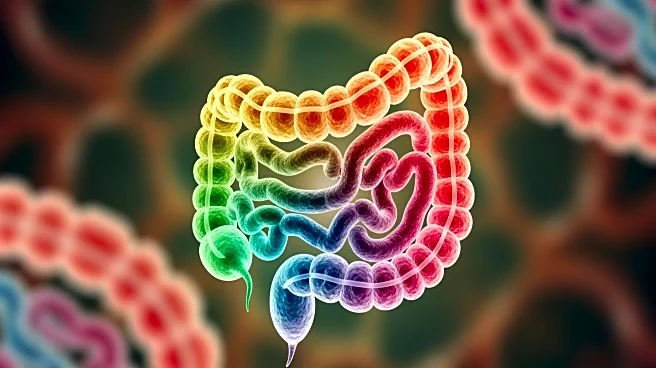
Researchers at the University of Utah have identified a gut bacterium, Turicibacter, that significantly reduces weight gain in mice on a high-fat diet. This bacterium appears to improve metabolic health
by producing fatty molecules that help maintain low ceramide levels, which are associated with metabolic disorders like type 2 diabetes. The study, published in Cell Metabolism, suggests that Turicibacter could play a role in promoting healthy weight management. The findings open up possibilities for developing new treatments that leverage gut bacteria to improve metabolic health.
Why It's Important?
The discovery of Turicibacter's role in weight management highlights the potential of the gut microbiome in addressing obesity and related metabolic disorders. As obesity rates continue to rise, understanding how specific gut bacteria influence weight and metabolism could lead to innovative treatments that are more natural and have fewer side effects than traditional pharmaceuticals. This research underscores the importance of the gut microbiome in overall health and could pave the way for personalized medicine approaches that target individual microbiomes to prevent and treat obesity.
What's Next?
Future research will focus on identifying the specific fatty molecules produced by Turicibacter that contribute to its weight-controlling effects. Understanding these mechanisms could lead to the development of probiotic treatments or dietary supplements that harness the benefits of Turicibacter. Additionally, studies in humans will be necessary to determine if these findings can be translated into effective weight management strategies for people.