






What's Happening?
Elon Musk, known for his commitment to clean energy through Tesla's Master Plans, appears to be shifting focus from terrestrial solar power to space-based solutions. According to a recent SpaceX IPO filing, Musk's company xAI is investing heavily in natural
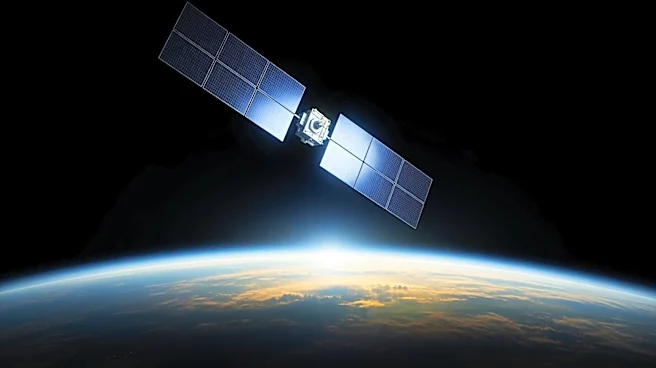
gas turbines to power its data centers, with plans to purchase $2.8 billion more. This move seems to contradict Tesla's earlier goals of transitioning from a hydrocarbon economy to a solar electric one. SpaceX is promoting space-based solar arrays, claiming they can generate significantly more energy than those on Earth due to constant illumination. This shift comes as Musk and other tech leaders face challenges in meeting the growing energy demands of AI data centers on Earth.
Why It's Important?
Musk's pivot from Earth-based solar power to space-based solutions could have significant implications for the renewable energy sector. By focusing on space, Musk may be signaling a belief that terrestrial solutions are insufficient to meet future energy demands, particularly for AI data centers. This could impact investments in Earth-based solar technologies and influence other tech leaders to consider space as a viable alternative. However, the economic and logistical challenges of deploying space-based solar power are substantial, potentially affecting the feasibility and timeline of such projects. The decision also raises questions about the sustainability of relying on fossil fuels in the interim, which could affect public perception of Musk's commitment to clean energy.
What's Next?
As Musk continues to explore space-based solar power, stakeholders in the renewable energy and tech industries will likely monitor developments closely. The success of this initiative could depend on SpaceX's ability to reduce the costs of launching and maintaining space-based infrastructure. Additionally, regulatory and environmental considerations will play a role in determining the viability of this approach. If successful, Musk's strategy could pave the way for a new era of energy production, but failure could reinforce the importance of maximizing Earth's solar potential. The coming years will be critical in assessing the practicality and impact of Musk's vision.
Beyond the Headlines
Musk's focus on space-based solar power highlights a broader trend among tech leaders to seek innovative solutions to energy challenges. This approach reflects a willingness to push boundaries and explore unconventional methods, which could inspire similar initiatives across industries. However, it also underscores the ethical and environmental dilemmas of prioritizing space over Earth-based solutions. The potential for increased reliance on fossil fuels during the transition period raises concerns about environmental impact and sustainability. As the debate continues, the balance between innovation and responsibility will be a key consideration for industry leaders and policymakers.