
What's Happening?
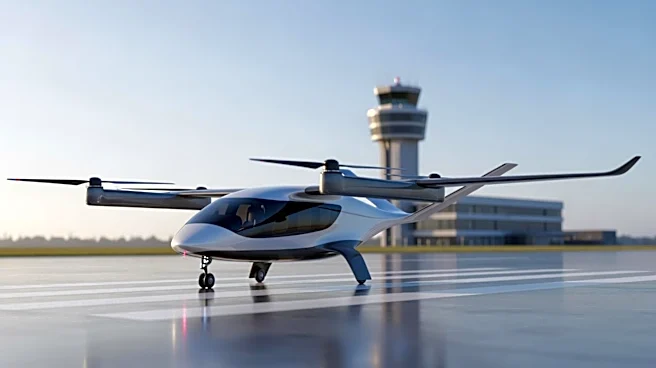
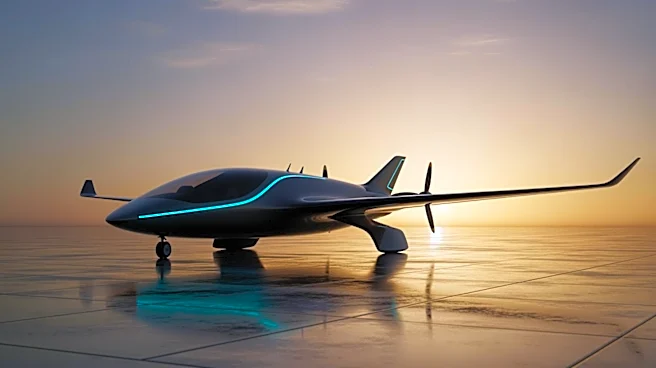
Beta Technologies, a Vermont-based startup, is pioneering a new era in aviation with its all-electric aircraft, the Alia CX300. The company recently showcased the aircraft's capabilities during a media
flight over Burlington, Vermont. The Alia CX300, which is designed for short regional routes, offers a quieter, cleaner, and potentially more cost-effective alternative to traditional fuel-powered turboprops and helicopters. The aircraft has already attracted orders from carriers like Air New Zealand and is set to begin revenue-cargo flights under a Transportation Department pilot program later this year. Beta Technologies is also working on an electric vertical takeoff and landing (eVTOL) aircraft, the Alia 250, which shares much of the CX300's technology. The company plans to achieve full certification for the CX300 by late 2027.
Why It's Important?
The development of electric aircraft like the Alia CX300 represents a significant shift in the aviation industry towards more sustainable travel solutions. By reducing reliance on fossil fuels, these aircraft could lower carbon emissions and operational costs, potentially making air travel more accessible and environmentally friendly. The success of Beta Technologies' aircraft could influence other companies to invest in similar technologies, accelerating the transition to electric aviation. However, challenges such as charging infrastructure, certification processes, and public acceptance remain. The potential for high battery replacement costs could also impact the economic viability of these aircraft, affecting their adoption by airlines and consumers.
What's Next?
Beta Technologies is focused on overcoming the hurdles of certification and infrastructure development to ensure the successful deployment of its electric aircraft. The company aims to leverage its experience with the CX300 to streamline the certification process for its eVTOL aircraft. As the industry evolves, regulatory bodies and infrastructure developers will play crucial roles in facilitating the integration of electric aircraft into existing air travel networks. Public perception and acceptance will also be critical, as consumers weigh the benefits of cleaner travel against potential cost implications. The coming years will be pivotal in determining the pace and extent of electric aviation's impact on the industry.