






What's Happening?
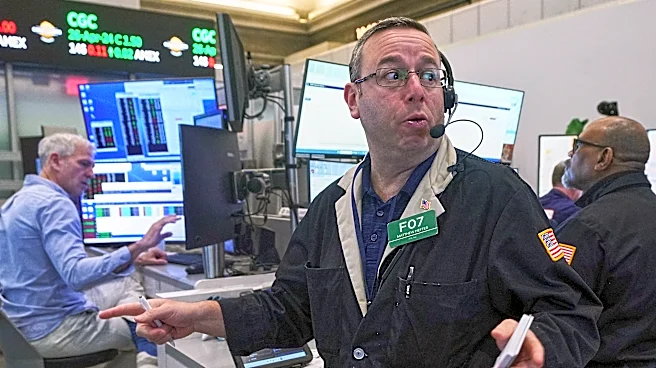
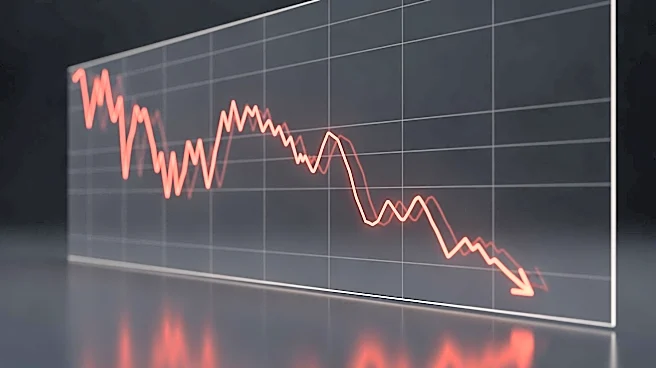
A recent analysis by S&P has revealed that a significant majority of professional large-cap U.S. equity fund managers failed to outperform the S&P 500 in 2025. Specifically, 79% of these active funds underperformed the benchmark index, continuing a trend
observed over several years. This underperformance is not new; in 2024, 65% of managers failed to beat the market, and during the COVID-19 pandemic in 2021, 85% underperformed. Despite the expertise and resources available to these managers, including substantial financial backing and research support, they have consistently struggled to achieve better returns than the S&P 500. This trend raises questions about the effectiveness of active fund management and the challenges of predicting market movements.
Why It's Important?
The inability of professional fund managers to consistently outperform the S&P 500 has significant implications for investors and the financial industry. It challenges the value proposition of active fund management, which often comes with higher fees compared to passive index funds. Investors may increasingly question whether paying for active management is justified when passive strategies can yield similar or better returns. This trend could lead to a shift in investment strategies, with more individuals opting for low-cost index funds. Additionally, the findings highlight the inherent unpredictability of the stock market, emphasizing the difficulty of timing the market or picking individual stocks that will outperform.
What's Next?
As the financial industry grapples with these findings, there may be increased scrutiny on the performance of active fund managers. Investors might demand more transparency and accountability regarding fund performance and fees. The trend could also accelerate the growth of passive investing, as more investors seek cost-effective ways to achieve market returns. Financial advisors and fund managers may need to adapt their strategies, focusing on value-added services beyond stock picking, such as financial planning and risk management, to justify their fees and retain clients.
Beyond the Headlines
The ongoing underperformance of active fund managers could have broader cultural and educational implications. It may influence how financial literacy is taught, with a greater emphasis on the benefits of long-term, passive investing strategies. Additionally, the trend could impact the career paths of financial professionals, as the demand for traditional stock-picking skills may decline in favor of roles that emphasize holistic financial advice and planning. This shift could also lead to innovations in financial technology, as firms seek to leverage data analytics and artificial intelligence to enhance investment strategies.