



What's Happening?
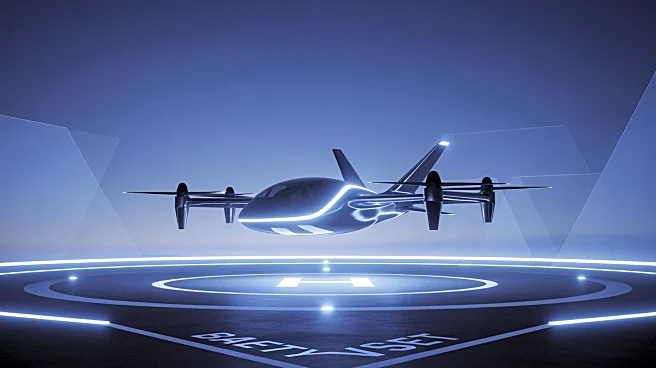
The Vertical Aviation International Verticon rotorcraft expo in Atlanta showcased the evolving landscape of vertical flight and rotorcraft technology. The event highlighted the increasing presence of electric vertical-takeoff-and-landing (eVTOL) aircraft,
with significant attention on the FAA's Electric VTOL Integration Pilot Program. This program involves multiple states and companies, emphasizing the necessity for extensive flight data to ensure safety and efficiency. The expo also noted a resurgence of heavy helicopters in the oil and gas sector, with models like the Sikorsky S-92 and Airbus H225 gaining attention. Additionally, the emergence of uncrewed aviation was discussed, with companies like Sikorsky and Robinson making advancements in this area. Challenges in certifying new aircraft, such as the Bell 525 and Leonardo AW609, were also addressed, highlighting the need for regulatory support.
Why It's Important?
The developments discussed at the Verticon expo are crucial for the future of aviation, particularly in the context of urban air mobility and the integration of eVTOLs into existing airspace. The FAA's pilot program is a significant step towards ensuring that these new technologies can be safely and efficiently incorporated into the national airspace system. The resurgence of heavy helicopters in the oil and gas sector indicates a potential shift in industry dynamics, possibly leading to increased demand for these aircraft. The focus on uncrewed aviation and the challenges of certifying new aircraft models underscore the ongoing evolution in aviation technology and the regulatory landscape, which could have broad implications for manufacturers and operators.
What's Next?
As the FAA's Electric VTOL Integration Pilot Program progresses, stakeholders will likely focus on gathering and analyzing flight data to address safety and efficiency concerns. The aviation industry may see increased collaboration between manufacturers, regulators, and operators to develop standards and best practices for eVTOL operations. The resurgence of heavy helicopters could lead to further investments in this sector, potentially driving innovation and competition. Additionally, the challenges in certifying new aircraft models may prompt regulatory bodies to adapt and update certification processes to accommodate emerging technologies.