


What's Happening?
McLaren's performance at the Barcelona Grand Prix has sparked discussions about their long-run pace. Lando Norris led the second practice session, but the team's overall performance in long-run simulations suggests they may still lag behind competitors
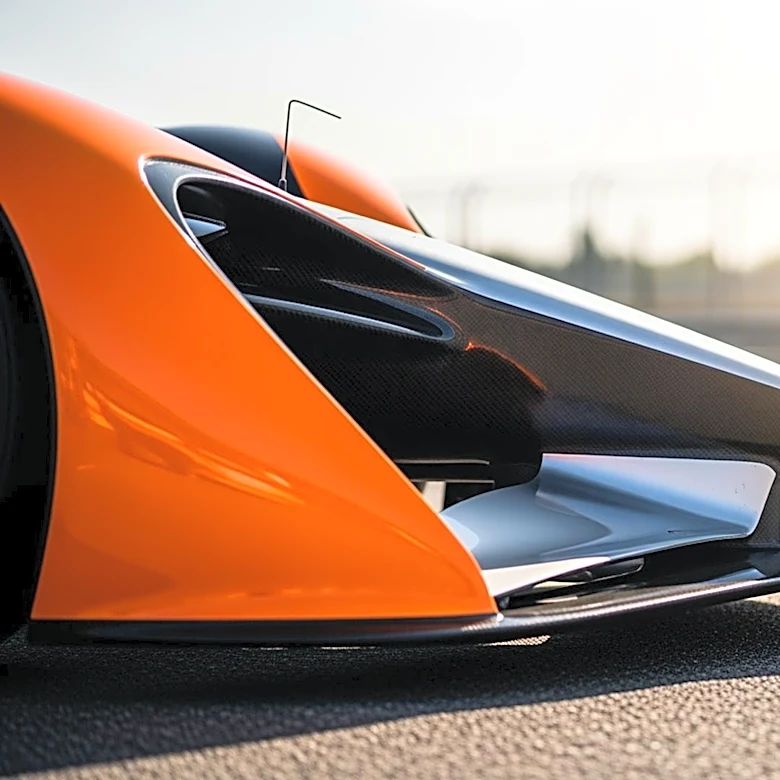
like Mercedes and Ferrari. McLaren's new front wing and the MCL40 car showed improvements, but issues such as vibrations and tire degradation remain concerns. The team's ability to maintain tire performance over race stints will be crucial in determining their competitiveness in the upcoming race.
Why It's Important?
The analysis of McLaren's long-run pace is critical as it provides insights into their potential performance in the actual race. While their short-run speed is promising, the ability to sustain this performance over longer distances is essential for securing podium finishes. The team's performance at Barcelona could influence their strategy and car setup for future races, impacting their overall standing in the championship. Additionally, the focus on tire management highlights the importance of optimizing car setups for different track conditions, which is a key factor in Formula 1 success.
What's Next?
McLaren will need to address the issues identified during the practice sessions, particularly those related to tire degradation and car vibrations. The team will likely focus on optimizing their car setup to improve long-run performance and ensure that they can compete effectively against top teams like Mercedes and Ferrari. The upcoming race will be a test of McLaren's ability to translate their practice performance into race results, and their strategy will be closely watched by competitors and fans alike.