


What's Happening?
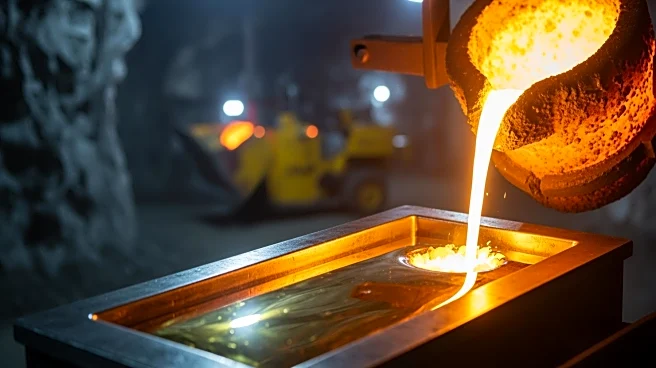
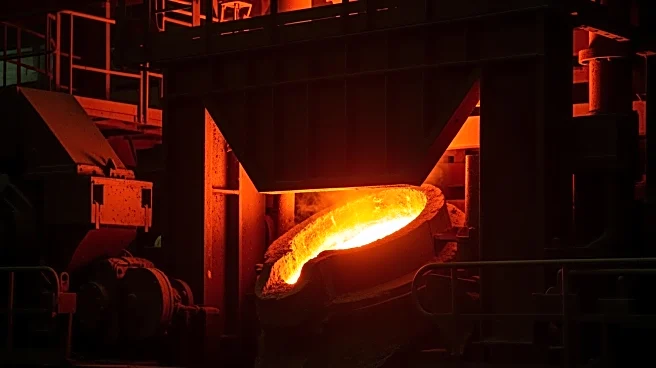
Glencore's South African ferrochrome unit is contemplating withdrawing from negotiations with the government regarding a discounted electricity package. The company has been in talks to secure reduced tariffs to keep its loss-making smelters operational
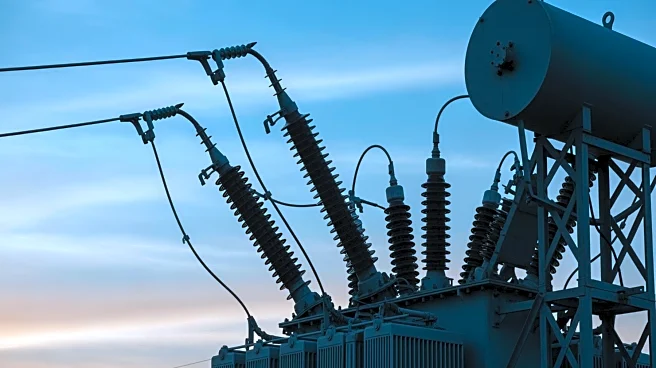
and prevent job cuts. The South African government, eager to save the smelters that employ thousands and are major customers of the state-owned electricity supplier Eskom, offered a significant reduction in electricity tariffs. However, Glencore's CEO Japie Fullard expressed concerns over the conditions attached to the offer, indicating that they are not acceptable to the company. The outcome of these negotiations could impact up to 1,500 jobs if an agreement is not reached.
Why It's Important?
The potential withdrawal of Glencore from these talks highlights the challenges faced by the South African ferrochrome industry, which is struggling with high electricity costs and competition from Chinese producers. The outcome of these negotiations is critical for the local economy, as the smelters are significant employers and contribute to the country's industrial output. If Glencore decides to walk away, it could lead to job losses and further strain on the South African economy. Additionally, this situation underscores the broader issue of energy costs and their impact on industrial competitiveness, which is a concern for many countries globally.
What's Next?
As negotiations continue, the South African government and Glencore will need to find a mutually agreeable solution to prevent job losses and ensure the viability of the ferrochrome industry. If an agreement is not reached, Glencore may proceed with planned layoffs, which could have significant social and economic repercussions. The situation also raises questions about the sustainability of energy-intensive industries in regions with high electricity costs, potentially prompting a reevaluation of energy policies and industrial strategies.