



What's Happening?
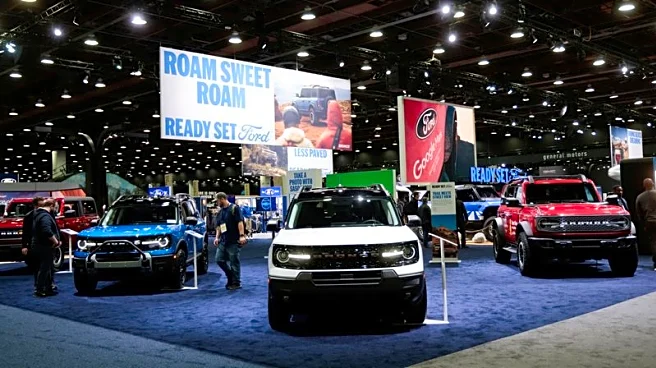
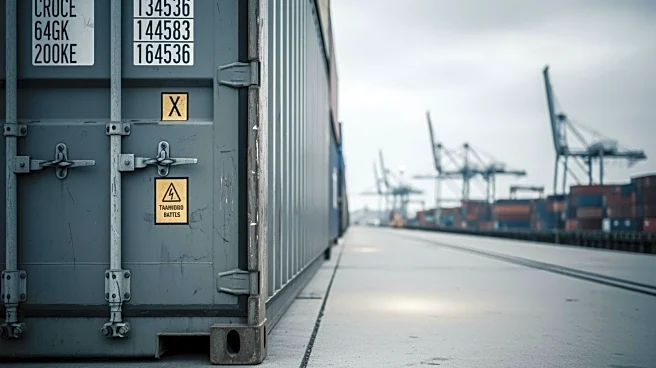
Ford Motor Company has been hit with a $900 million tariff bill following a policy change by the Trump administration. The automaker was informed on December 23 that it could only apply a measure to reduce tariffs on imported auto parts from November, rather than May as previously expected. This adjustment effectively doubled Ford's tariff costs, significantly impacting its financial outlook. The tariffs are part of broader trade policies aimed at encouraging domestic production and reducing reliance on foreign parts. This unexpected financial burden comes as Ford and other automakers navigate a challenging economic environment, with ongoing shifts towards electric vehicles and increased regulatory pressures.
Why It's Important?
The tariff bill represents a substantial
financial setback for Ford, highlighting the broader challenges faced by the U.S. automotive industry amid shifting trade policies. The increased costs could affect Ford's pricing strategies, profit margins, and investment plans, potentially leading to higher prices for consumers. This situation underscores the complexities of global supply chains and the impact of government policies on corporate operations. The automotive industry, already dealing with the transition to electric vehicles and supply chain disruptions, must now also contend with the financial implications of changing tariff regulations.
What's Next?
Ford may need to reassess its supply chain strategies and explore options to mitigate the impact of the increased tariff costs. This could involve negotiating with suppliers, adjusting production plans, or seeking policy changes. The situation also raises questions about the future of U.S. trade policy and its impact on the automotive sector. As the industry continues to evolve, companies will need to adapt to a dynamic regulatory environment and consider the potential for further policy shifts. Stakeholders will be watching for any developments in trade negotiations and potential relief measures that could alleviate the financial burden on automakers.