



What's Happening?
The global lithium market is experiencing significant growth, driven by the demand for battery applications, particularly in electric vehicles. Lithium is primarily sourced from brine and hard rock deposits, each with distinct extraction and processing
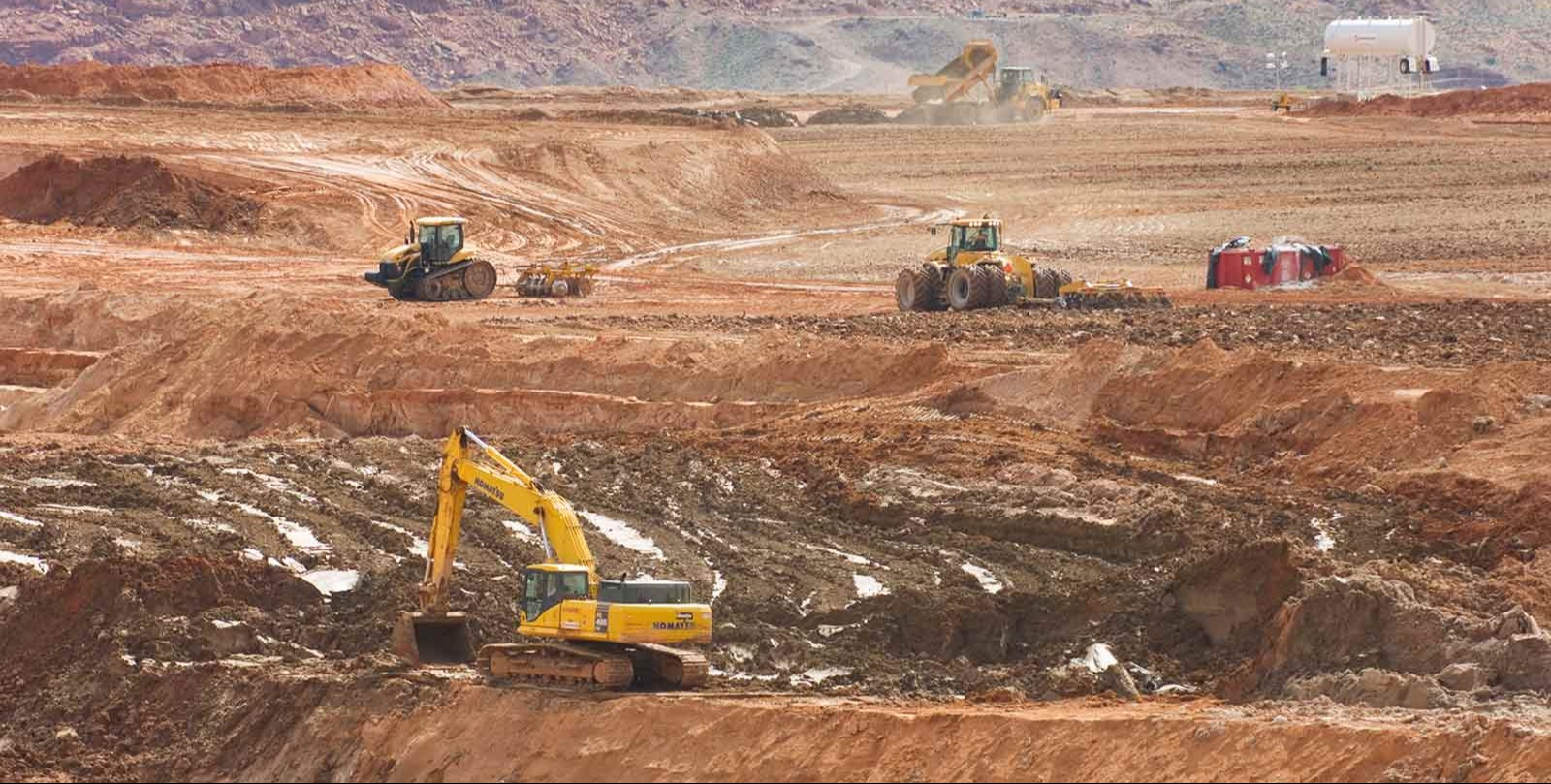
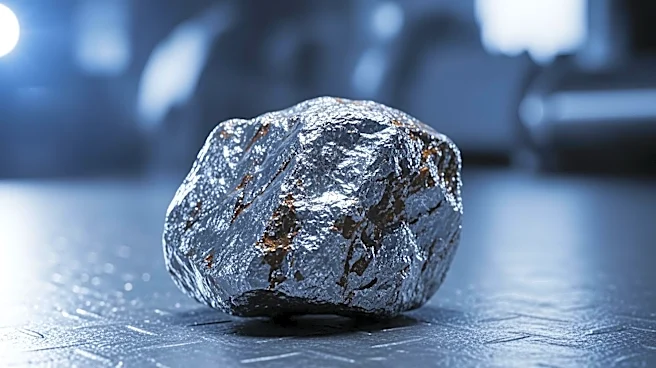
pathways. Brine deposits, found in salt flats, involve pumping lithium-rich groundwater to the surface and allowing water to evaporate, which is a cost-effective but time-consuming process. Hard rock deposits, typically found in pegmatite rocks, involve conventional mining methods to extract ore, which is then processed into spodumene concentrate. Australia is a major producer of hard rock lithium. The processing of lithium into chemical forms suitable for battery production, such as lithium carbonate and lithium hydroxide, is crucial, with much of the conversion capacity located in China. The demand for lithium is dominated by battery applications, with electric vehicles being the fastest-growing source of demand.
Why It's Important?
Lithium is a critical component in the global energy transition, playing a key role in rechargeable batteries used in electric vehicles, energy storage systems, and consumer electronics. The rapid growth in lithium demand is driven by electrification trends and government policy support. Understanding the supply chain dynamics, including the differences between brine and hard rock sources, is essential for evaluating lithium projects and companies. The evolving market structure and pricing mechanisms, which differ from traditional commodities, add complexity to the lithium market. Investors and stakeholders must consider both geological and supply chain factors when assessing lithium projects, as these factors influence project timelines, costs, and market dynamics.