






What's Happening?
US soybean farmers are seeking more concrete guarantees on export commitments following a meeting between President Trump and Chinese President Xi Jinping. The meeting, which took place in Busan, South Korea, resulted in a general commitment from China
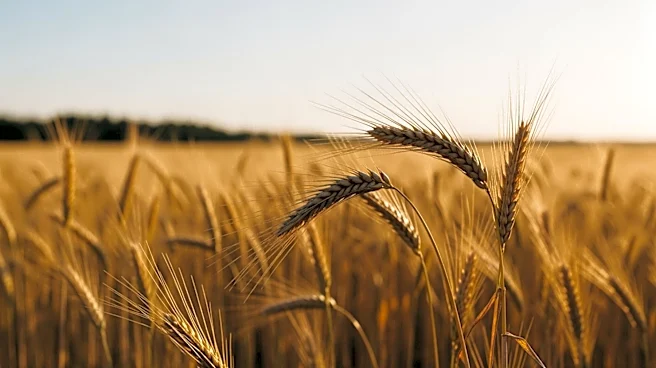
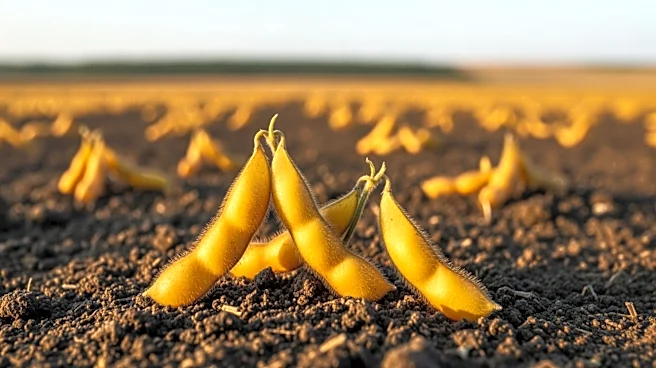
to purchase US agricultural products, including soybeans. However, the lack of specific details has left US farmers wary. China has agreed to buy at least $17 billion per year of US agricultural products from 2026 to 2028, in addition to previous commitments to purchase 12 million metric tonnes of soybeans in 2025 and at least 25 million tonnes annually from 2026 to 2028. Despite these pledges, US farmers remain cautious due to past experiences of unfulfilled agreements and the ongoing impact of tariffs, which have significantly reduced US agricultural exports to China.
Why It's Important?
The commitments from China are crucial for US farmers, particularly soybean producers, who have been adversely affected by the US-China trade war. Tariffs imposed during the trade conflict have led to a sharp decline in US agricultural exports to China, with soybean purchases dropping to nearly zero at the height of the trade war. The new commitments, if fulfilled, could help restore some of the lost market share and provide much-needed stability for US farmers. However, the lack of a formal agreement and the history of broken promises raise concerns about the reliability of these commitments. The situation underscores the broader economic implications of trade policies and the need for clear, enforceable agreements to support US agricultural exports.
What's Next?
US farmers are hopeful that a more concrete agreement will be reached when President Xi visits the United States later this year. The visit could provide an opportunity for both countries to solidify their commitments and address the tariff disparities that currently disadvantage US soybean exports compared to Brazilian competitors. The US government, through the US Trade Representative, is also seeking public input on which Chinese goods could qualify for lower tariffs under a new bilateral 'Board of Trade'. This initiative aims to identify non-strategic goods on which tariffs can be reduced, potentially easing trade tensions and benefiting US exporters.