



What's Happening?
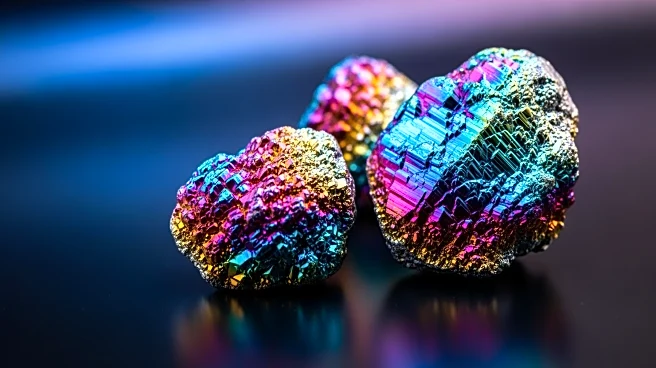
Australia's Lynas Rare Earths and South Korea's LS Eco Energy have announced a preliminary agreement to collaborate on processing rare earths. This partnership aims to establish a processing plant in Vietnam, where Lynas will supply rare earth oxides.
LS Eco Energy plans to use these materials to manufacture permanent rare earth magnets in the United States. The initiative is part of a broader effort to reduce reliance on Chinese sources for these critical materials, which are essential in various industries, including automotive and aerospace. The Vietnam facility is expected to commence operations in the fourth quarter of this year. This move comes as countries seek to diversify their supply chains in response to China's export restrictions on rare earths.
Why It's Important?
The collaboration between Lynas and LS Eco Energy is significant as it represents a strategic shift in the global supply chain for rare earths, which are crucial for manufacturing high-tech devices and military equipment. By establishing a non-Chinese source of these materials, the partnership aims to mitigate risks associated with geopolitical tensions and supply disruptions. This development could benefit industries in the U.S. and other countries seeking to secure stable and diversified sources of rare earths. The deal also highlights the growing importance of rare earths in the global economy and the need for countries to develop independent supply chains.
What's Next?
The next steps involve the construction and operationalization of the processing plant in Vietnam, with LS Eco Energy aiming to start production by the end of the year. Both companies are expected to negotiate further agreements to solidify their partnership, including cross-subscription to convertible instruments. The success of this venture could encourage other companies to explore similar collaborations, potentially reshaping the global rare earths market. Stakeholders in the automotive and aerospace industries will likely monitor the progress closely, as the availability of non-Chinese rare earths could influence their supply chain strategies.