



What's Happening?
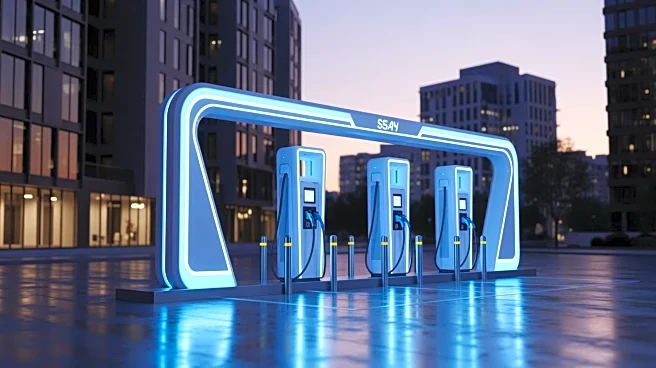
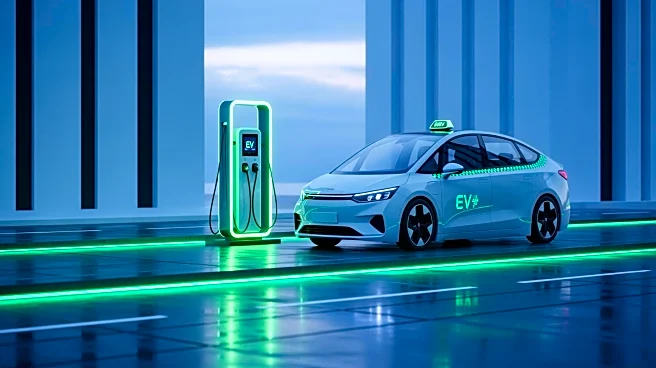
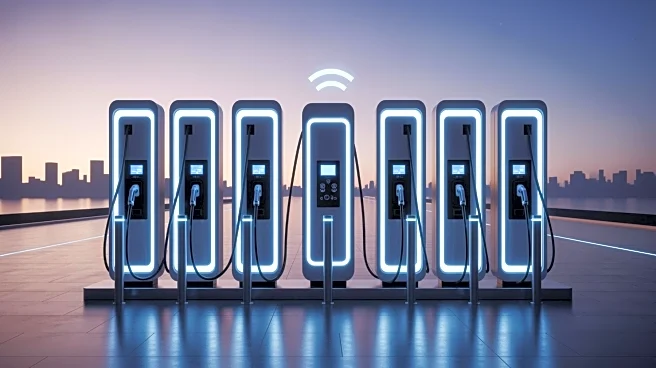
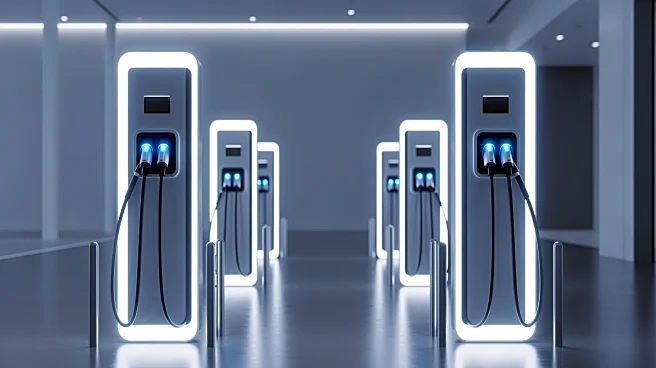
Uber has announced a significant investment of over $100 million to develop electric vehicle (EV) charging infrastructure in major U.S. cities, including San Francisco, Los Angeles, and Dallas. This initiative is part of Uber's strategy to expand its autonomous vehicle services. The company plans to establish charging stations at new autonomous vehicle depots, which will also handle cleaning, maintenance, and inspections. Additionally, Uber will develop DC fast charging (DCFC) stations at strategic 'pit stops' in priority cities. This move is aimed at supporting the growth of the autonomous vehicle industry, which is projected to expand significantly in the coming years. Uber's global head of mobility, Pradeep Parameswaran, emphasized the importance
of building the right charging infrastructure to unlock the full potential of autonomy and electrification.
Why It's Important?
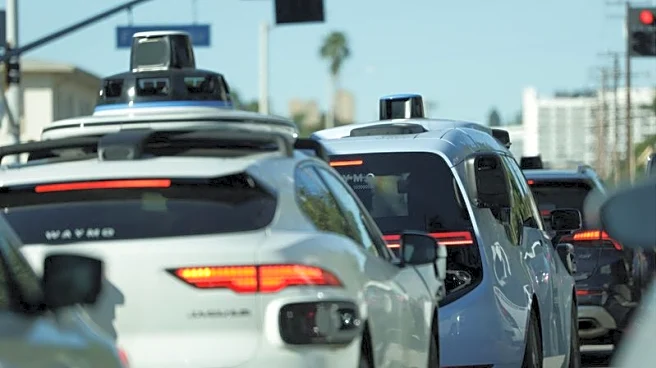
The investment by Uber is crucial for the advancement of the autonomous vehicle industry, which is expected to grow from $610 million to $147.25 billion by 2033. By enhancing the charging infrastructure, Uber is positioning itself to be a leader in the robotaxi market, currently dominated by Waymo. This development not only supports the expansion of autonomous vehicles but also benefits human-driven EVs. Uber's partnerships with charge point operators like EVgo and others will add over 1,000 chargers in cities such as New York, Los Angeles, and San Francisco. This infrastructure will make charging more accessible and affordable for drivers, potentially leading to more sustainable and cost-effective operations.
What's Next?
Uber plans to offer autonomous vehicles in at least 10 cities by the end of 2026, expanding its global operations to include cities like London and Munich. The company is also entering utilization guarantee agreements with charging providers to ensure the new stations are effectively used. As the infrastructure develops, Uber drivers will benefit from charging discounts, which will vary by city and provider. This initiative is expected to facilitate the transition to an all-electric future, making it easier for cities to adopt autonomous and electric vehicles.
Beyond the Headlines
The expansion of EV charging infrastructure by Uber could have broader implications for urban planning and environmental policy. By adding chargers in low-income areas, Uber aims to provide ride-hail drivers with more affordable operations, potentially leading to better income and healthier communities. This move aligns with global efforts to address the climate crisis by reducing emissions and promoting sustainable transportation solutions.