
What's Happening?
Iceland, a prominent supermarket chain, has introduced advanced AI-driven tools to optimize its inventory and replenishment processes. This initiative aims to improve product availability, minimize lost
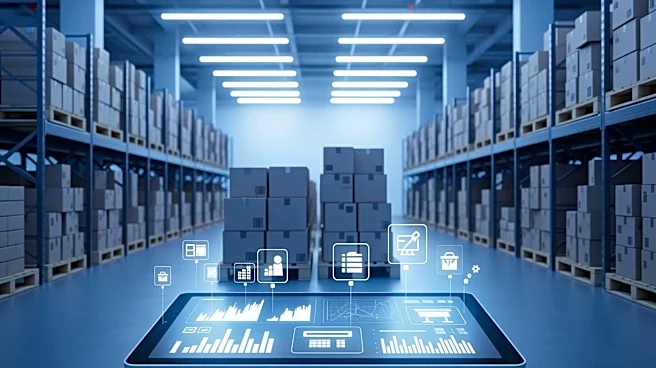
sales, and enhance overall store operations. The AI system analyzes real-time sales, supply, and demand data, enabling Iceland to make more precise replenishment decisions. This approach goes beyond traditional forecasting by incorporating variables such as seasonal peaks, promotions, and new product launches. The system's continuous learning capability allows it to adjust for lost sales and provide accurate forecasts, thereby ensuring that products are consistently available across stores and distribution centers. According to Matt Downes, Iceland's Supply Chain Director, the AI technology offers unprecedented visibility and control, helping to maintain stocked shelves and improve the shopping experience.
Why It's Important?
The implementation of AI in Iceland's supply chain is significant as it represents a shift towards more efficient and responsive retail operations. By leveraging AI, Iceland can better meet customer demands, reduce waste, and capitalize on sales opportunities. This technological advancement is crucial for maintaining competitiveness in the retail sector, where consumer expectations for product availability and service quality are continually rising. The ability to quickly adapt to changes in demand and manage inventory effectively can lead to increased customer satisfaction and loyalty. Additionally, the reduction in stockouts and waste aligns with broader sustainability goals, which are increasingly important to consumers and stakeholders.
What's Next?
As Iceland continues to integrate AI into its operations, the company may explore further enhancements to its supply chain management. This could include expanding the AI system's capabilities to other areas of the business, such as logistics and customer service. The success of this initiative may also prompt other retailers to adopt similar technologies, potentially leading to industry-wide changes in inventory management practices. Stakeholders, including investors and partners, will likely monitor the outcomes of this implementation to assess its impact on Iceland's performance and market position.