






What's Happening?
The manufacturing industry in the U.S. is undergoing a significant transformation with the integration of real-time data into daily management practices. This shift is driven by the need for more efficient operations and the ability to respond quickly
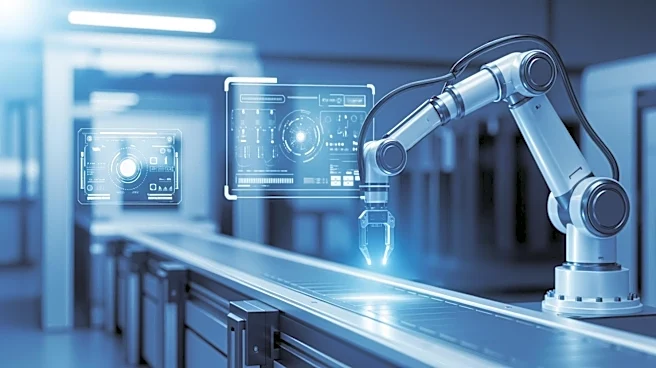
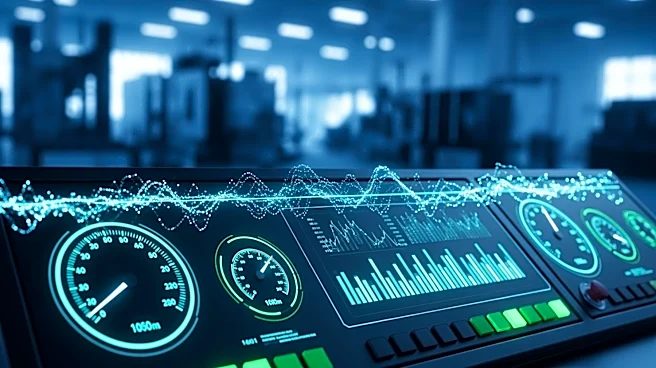
to changes in demand and production issues. Real-time data provides managers with immediate insights into machine performance, production line efficiency, and operator activities, allowing for rapid identification and resolution of problems. This approach contrasts with traditional methods that relied on retrospective data analysis, which often delayed corrective actions. The use of dashboards to visualize data from various sources on the manufacturing floor enables a comprehensive view of operations, facilitating quicker decision-making and enhancing overall productivity.
Why It's Important?
The adoption of real-time data in manufacturing is crucial for maintaining competitiveness in a rapidly evolving market. By enabling faster response times to operational issues, manufacturers can reduce downtime and improve efficiency, which is vital for meeting the demands of e-commerce and same-day shipping. This technological advancement also promotes greater accountability and collaboration among workers, as they can see the direct impact of their actions on production outcomes. The ability to make informed decisions in real-time helps companies optimize resource allocation and improve product quality, ultimately leading to cost savings and increased profitability. As the industry continues to embrace digital transformation, the role of real-time data will likely expand, further enhancing the sector's resilience and adaptability.
What's Next?
As more manufacturing companies integrate real-time data systems, the focus will likely shift towards overcoming challenges associated with data overload and ensuring that workers are adequately trained to interpret and utilize the information effectively. Companies may invest in user-friendly interfaces and training programs to facilitate the transition from legacy systems to modern data-driven approaches. Additionally, the industry may see increased collaboration with technology providers to develop customized solutions that address specific operational needs. The continued evolution of real-time data applications could lead to further innovations in manufacturing processes, potentially setting new standards for efficiency and productivity across the sector.