






What's Happening?
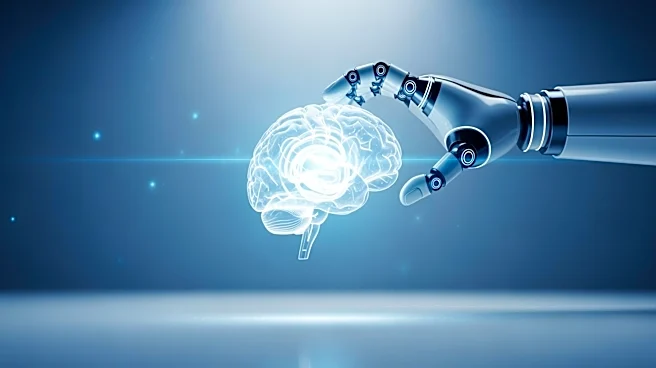
In a discussion about the impact of artificial intelligence on the workforce, David George, a general partner at Andreessen Horowitz, argues that AI will augment rather than replace human jobs. This perspective contrasts with fears that AI could create
a 'permanent underclass' by automating jobs. Techno-optimists believe that, like past technological revolutions, AI will enhance human capabilities and lead to new, unforeseen job opportunities. The debate is significant as it influences regulatory and political interventions regarding AI's role in the economy.
Why It's Important?
The outcome of this debate has profound implications for economic policy and workforce development. If AI is seen as a threat to jobs, it could lead to calls for stricter regulations and protections for workers. Conversely, if AI is viewed as a tool for augmentation, it could drive investment in AI technologies and workforce retraining programs. The discussion also touches on societal values, as it challenges how societies measure human worth and productivity in an AI-driven world.
Beyond the Headlines
The debate over AI's impact on jobs also raises ethical questions about the value of human labor and the role of technology in society. As AI becomes more integrated into various sectors, there is a need to consider how it affects social structures and individual identities. The discussion also highlights the importance of designing AI systems that complement human skills and promote equitable economic growth.