






What's Happening?
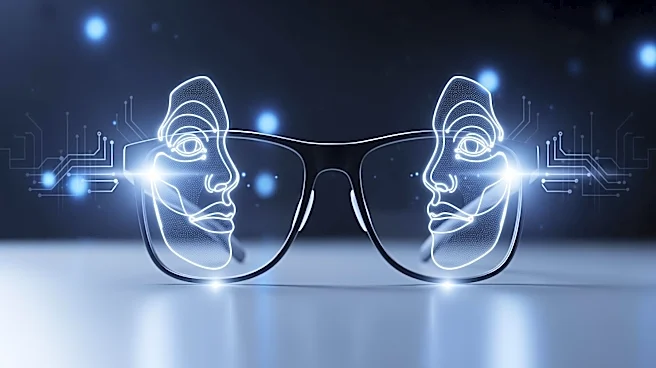
Wired has discovered code for a facial recognition feature, named 'NameTag,' within Meta's AI app, intended for use with the company's smart glasses. Although not currently active or available to consumers, the feature could capture and recognize faces,
notifying users when a previously captured face is detected. Meta has stated that no biometric data is being sent to its servers, and the feature is still in the exploratory phase. The company has emphasized that it is not building a central face database and will approach any potential rollout with transparency.
Why It's Important?
The development of facial recognition technology for smart glasses raises significant ethical and privacy concerns. While the feature could offer accessibility benefits, such as assisting users with visual impairments, it also poses risks related to surveillance and data privacy. Meta's exploration of this technology reflects the broader trend of integrating AI into wearable devices, which could transform how users interact with their environment. However, the potential for misuse and the need for robust privacy protections will be critical considerations for both developers and regulators.
Beyond the Headlines
The introduction of facial recognition in consumer devices could spark debates about privacy rights and the ethical use of AI. As technology companies continue to push the boundaries of what is possible, there will be increased pressure to establish clear guidelines and regulations to protect individual privacy. The balance between innovation and privacy will be a key challenge for the industry, and how companies like Meta navigate this landscape could set precedents for future developments in AI and wearable technology.