


What's Happening?
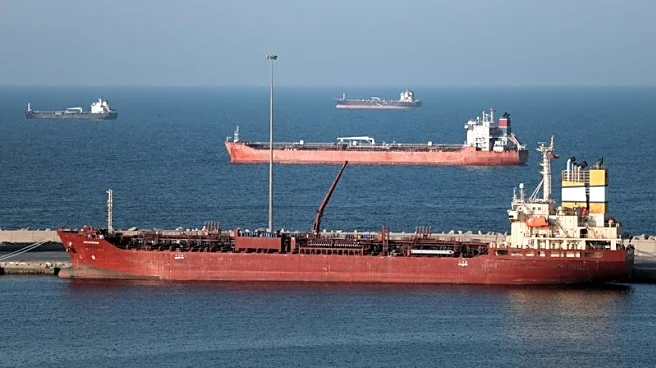
Federal Reserve Chair Jerome Powell announced that there is no immediate need to increase interest rates, despite rising energy prices due to the ongoing conflict in Iran. Speaking at Harvard University, Powell emphasized the importance of looking past
short-term energy supply shocks and focusing on long-term economic stability. He noted that the current interest rate target range of 3.5% to 3.75% is appropriate as the Fed monitors potential long-term impacts of the conflict and tariffs imposed by President Trump. Powell's comments have eased market fears, reducing the likelihood of a rate hike by December.
Why It's Important?
Powell's stance on maintaining current interest rates is crucial for economic stability, as it aims to prevent unnecessary economic strain from premature rate hikes. By focusing on long-term stability, the Fed seeks to support sustained economic growth and low unemployment. This decision impacts various stakeholders, including businesses and consumers, by influencing borrowing costs and investment decisions. The Fed's approach also reflects a cautious response to geopolitical tensions and their potential economic repercussions, highlighting the delicate balance between monetary policy and external economic pressures.
What's Next?
As Powell's term as Fed Chair nears its end, the nomination of his successor, former Fed Governor Kevin Warsh, remains uncertain due to political opposition. The Fed's future policy direction will depend on the resolution of this nomination and the evolving economic landscape. Stakeholders will closely monitor the Fed's actions and statements for indications of future rate adjustments, particularly in response to ongoing geopolitical developments and their impact on energy prices. The Fed's ability to navigate these challenges will be critical in maintaining economic stability and investor confidence.