



What's Happening?
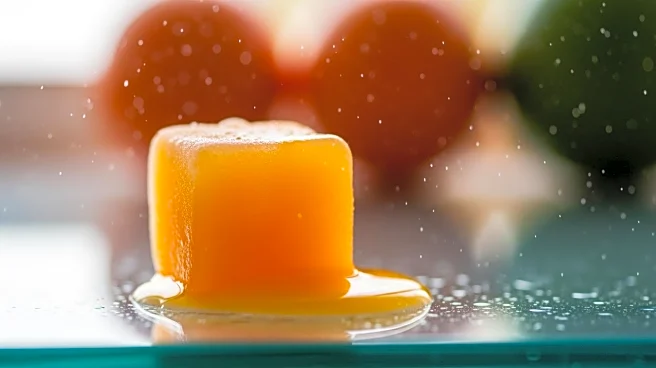
Coca-Cola has announced that it will discontinue the production of Minute Maid frozen juice concentrates in the U.S. and Canada by April. This decision marks the end of an era for a product that has been a staple in American households since 1946. The company cited shifting consumer preferences towards fresh juices as the primary reason for this move. Minute Maid's frozen juices, including varieties of orange juice, lemonade, and limeade, will be available only while supplies last. The brand, originally launched by Vacuum Foods Corp., became synonymous with convenience in the mid-20th century, allowing consumers to enjoy orange juice year-round without the hassle of squeezing fresh fruit. However, the market for frozen juices has declined in recent
years, with consumers gravitating towards fresh juices and other beverage options like energy drinks and protein smoothies.
Why It's Important?
The discontinuation of Minute Maid's frozen juice concentrates reflects broader trends in consumer behavior and the beverage industry. As health-conscious consumers increasingly opt for fresh juices and beverages with lower sugar content, traditional products like frozen concentrates have seen a decline in demand. This shift is also influenced by rising prices due to adverse weather conditions affecting orange production in key regions like Brazil and Florida. The decision by Coca-Cola to focus on fresh juices aligns with these consumer trends and highlights the company's strategic pivot to meet evolving market demands. This move could impact the frozen juice market, potentially leading to further consolidation or innovation as companies adapt to changing preferences.
What's Next?
As Coca-Cola exits the frozen juice concentrate market, it is likely to invest more in its fresh juice offerings, possibly expanding its product lines to include more health-oriented options. Competitors in the frozen juice market, such as Tropicana, may also reassess their strategies in response to Coca-Cola's decision. Retailers and distributors will need to adjust their inventory and marketing strategies to align with the changing product landscape. Additionally, consumers may see new promotions or product launches aimed at capturing the growing demand for fresh and healthier beverage options.