




What's Happening?
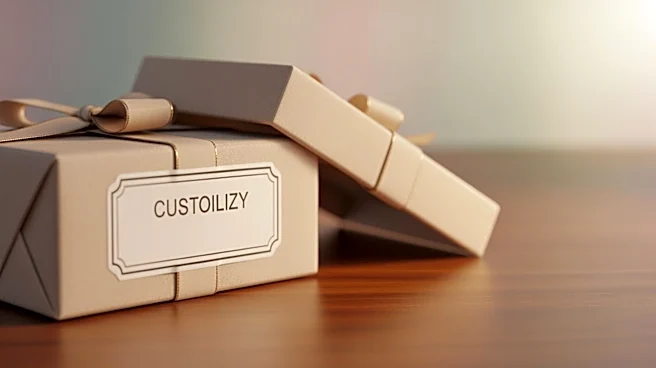
Retailers are increasingly focusing on packaging personalization as a strategy to transform transient shoppers into loyal customers. According to Hayley Simon, head of Staci Create, the trend is driven by the need to stand out in a market where consumers
frequently shop around for variety and value. Data from the Office for National Statistics (ONS) indicates a shift in consumer spending patterns, with online spending in department and discount stores rising significantly. Retailers like John Lewis have expanded their brand offerings to attract shoppers. The challenge lies in the fact that while overall spending is increasing, the average spend per transaction is decreasing, making shoppers more transient. Personalized packaging is seen as a way to create emotional connections with customers, enhancing satisfaction and perceived brand value. This approach involves using data-driven insights to tailor packaging content to individual customer preferences, thereby encouraging repeat purchases and brand advocacy.
Why It's Important?
The emphasis on packaging personalization reflects a broader trend in retail towards enhancing customer experience and loyalty. As consumer confidence remains volatile and economic conditions fluctuate, retailers are under pressure to differentiate themselves and retain customers. Personalized packaging offers a way to engage customers on a deeper level, transforming routine transactions into memorable experiences. This strategy not only helps in retaining existing customers but also attracts new ones by creating a unique brand identity. The use of data analytics to drive personalization allows retailers to move away from mass-market approaches, offering customized experiences that resonate with individual shoppers. This can lead to increased customer satisfaction, higher repeat purchase rates, and ultimately, stronger brand loyalty.