





What's Happening?
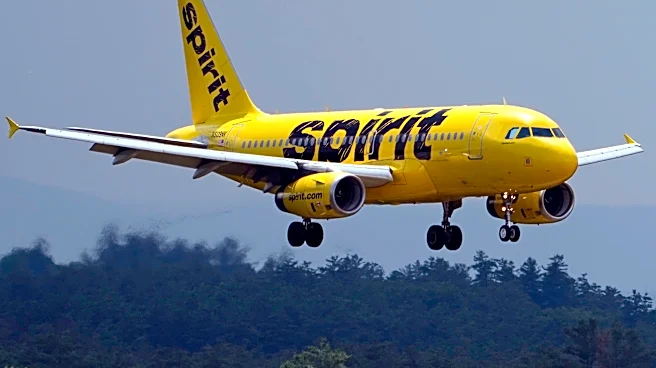
Following the shutdown of Spirit Airlines, other low-cost carriers are intensifying their calls for a $2.5 billion government bailout. The closure of Spirit Airlines, which had been struggling financially due to rising jet fuel costs and low demand, has
left a gap in the market that other budget airlines are eager to fill. The Department of Transportation (DOT) has criticized these airlines for seeking taxpayer support, arguing that they are exploiting the situation rather than addressing genuine financial need. The DOT Secretary, Sean Duffy, has stated that these airlines have access to private capital and should not rely on government assistance. The request for a bailout includes suspending certain taxes on domestic airfare, which has been met with opposition from major airlines who do not want their competitors to receive federal support.
Why It's Important?
The potential bailout of budget airlines raises significant questions about the role of government in supporting private businesses. If granted, the bailout could set a precedent for future government intervention in the airline industry, potentially distorting market competition. The shutdown of Spirit Airlines has already led to increased ticket prices and reduced competition, which could negatively impact consumers, particularly those who rely on low-cost travel options. The situation highlights the broader challenges facing the airline industry, including fluctuating fuel prices and the need for sustainable business models. The outcome of this bailout request could influence future policy decisions regarding government support for struggling industries.
What's Next?
The DOT's decision on the bailout request will be closely watched by industry stakeholders and policymakers. If the bailout is denied, budget airlines may need to explore alternative strategies to remain competitive, such as mergers or restructuring. The situation could also prompt a reevaluation of regulatory frameworks governing the airline industry, particularly regarding competition and market entry barriers. Additionally, the response from major airlines and their trade associations will be critical, as they may lobby against government intervention that could disadvantage them. The outcome could also influence public opinion on the appropriate level of government involvement in private sector challenges.