



What's Happening?
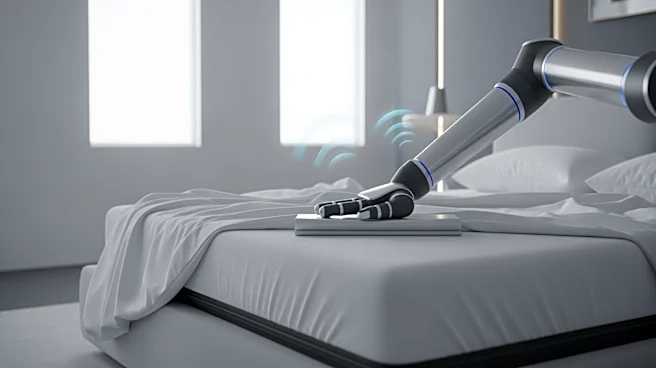
Figure AI has showcased a significant advancement in robotics with its humanoid robots capable of making a bed in under two minutes. In a video demonstration, two humanoids enter a minimalist bedroom, coordinating through visual cues like head nods to
tidy the room and make the bed. This task, which involves complex coordination and adaptability to the shifting fabric of a comforter, highlights the robots' ability to perform tasks autonomously without explicit messaging between them. The robots, part of the Helix 02 model, have been trained to handle more complex tasks such as opening doors and moving furniture. Figure AI, valued at $39 billion, is positioning itself as a leader in the robotics field, competing with companies like Tesla, which is developing its own humanoid robot.
Why It's Important?
The development of humanoid robots capable of performing household tasks autonomously represents a significant leap in robotics and artificial intelligence. This advancement could have profound implications for industries reliant on manual labor, potentially transforming sectors such as home care, hospitality, and even manufacturing. The ability of robots to perform complex tasks with minimal human intervention could lead to increased efficiency and cost savings. However, it also raises questions about the future of employment in sectors where automation could replace human workers. As companies like Figure AI and Tesla continue to innovate, the competitive landscape of robotics is likely to intensify, driving further advancements and potentially reshaping the economy.
What's Next?
Figure AI's continued development of humanoid robots suggests a future where such technology becomes commonplace in everyday environments. The company has not yet announced when these robots will be available to consumers, but their ongoing advancements indicate a commitment to refining and expanding the capabilities of their models. As the technology progresses, regulatory and ethical considerations will likely come to the forefront, particularly concerning the integration of robots into human-centric environments. Stakeholders, including policymakers, businesses, and consumers, will need to navigate the implications of widespread robotic automation.