





What's Happening?
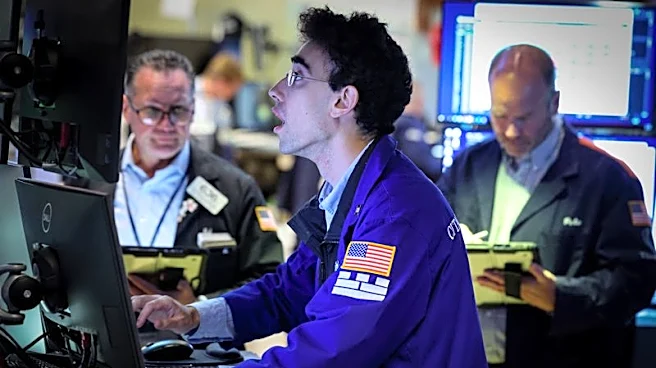
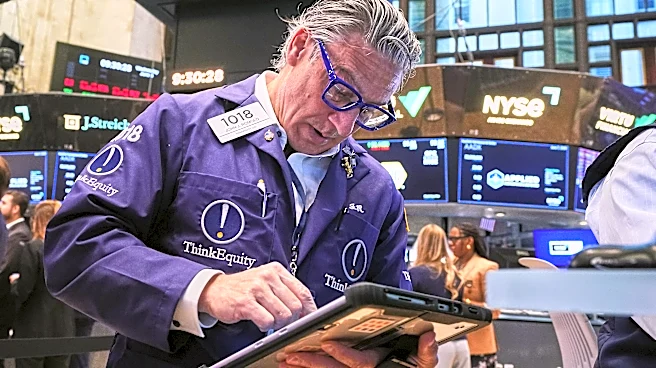
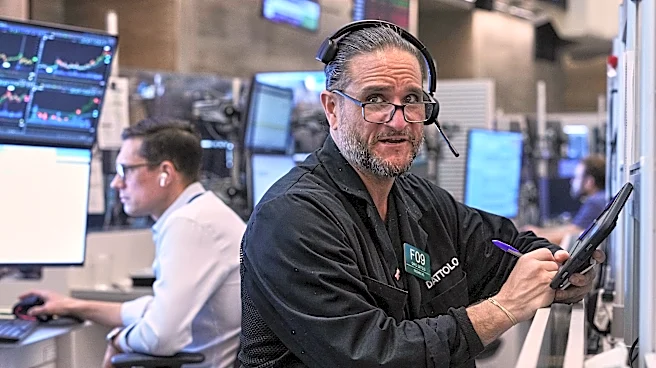
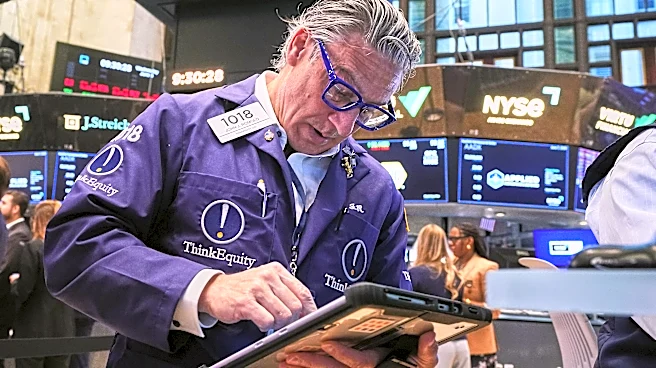
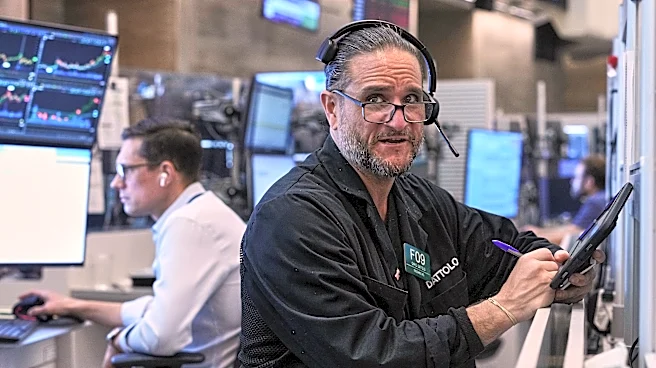
On Tuesday, major U.S. stock indexes experienced significant declines, driven by a sharp drop in tech stocks, particularly those in the semiconductor and artificial intelligence sectors. The Invesco QQQ Trust, which tracks the Nasdaq 100, fell by approximately
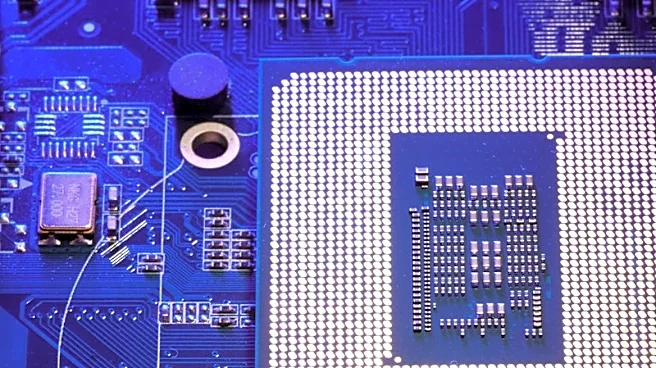
3%, while the S&P 500 decreased by nearly 2%. The iShares Semiconductor ETF also saw a decline, erasing gains from the previous day. This downturn was attributed to profit-taking by investors in high-growth semiconductor stocks, which had recently seen substantial increases. Notable companies affected included Micron, which saw a 9% drop, and Marvell Technology, which reversed its earlier gains to fall by double digits. Intel's stock also declined after reports that Google and Nvidia might consider it as a backup supplier to TSMC.
Why It's Important?
The decline in tech stocks highlights the volatility and sensitivity of the market to investor sentiment and profit-taking behaviors. The semiconductor industry, a critical component of the tech sector, plays a significant role in the broader economy, influencing everything from consumer electronics to automotive manufacturing. The drop in stock prices could impact investor confidence and lead to broader market repercussions if the trend continues. Additionally, the potential shift in supplier dynamics, with companies like Google and Nvidia considering alternatives to TSMC, could signal changes in the global semiconductor supply chain, affecting production and pricing strategies.
What's Next?
Market analysts and investors will likely monitor the situation closely to assess whether this decline is a temporary correction or the beginning of a more prolonged downturn. Companies in the semiconductor and AI sectors may need to address investor concerns and provide guidance to stabilize their stock prices. Additionally, any developments regarding the potential supplier changes involving Intel, Google, and Nvidia could have significant implications for the industry. Stakeholders will be watching for any policy changes or economic indicators that could influence market trends.