


What's Happening?
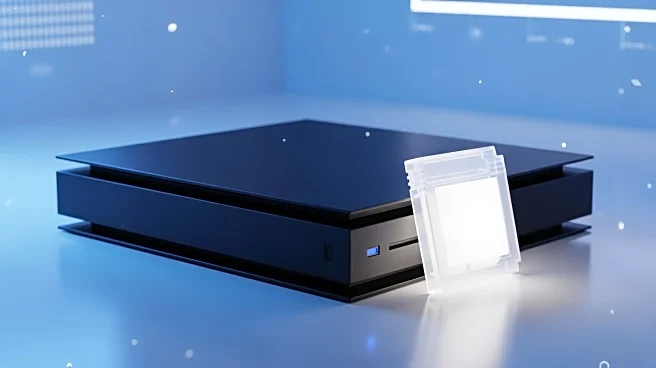
Nintendo has released new updates to improve backward compatibility for the Nintendo Switch 2, addressing issues with several games originally designed for the Switch 1. Notably, the update has resolved problems with 'Chrono Cross: The Radical Dreamers Edition,' a Square Enix RPG that was previously experiencing performance issues on the newer console. Additionally, 'Mega Mall Story' has also been fixed. However, some games like 'Streets of Rage 4' and 'Hazel Sky' still face challenges, with the former forcing a close when selecting 'Extra' from the main menu and the latter experiencing graphics problems in certain areas. 'Crypt of the NecroDancer' also received a fix after a recent system firmware update caused issues, with the developer Brace
Yourself Games confirming the resolution. These updates are part of Nintendo's ongoing efforts to ensure a seamless gaming experience across its console generations.
Why It's Important?
The updates are significant as they demonstrate Nintendo's commitment to maintaining a robust gaming ecosystem that supports older titles on newer hardware. This backward compatibility is crucial for gamers who wish to continue enjoying their existing game libraries without needing to purchase new versions. It also reflects Nintendo's strategy to enhance user satisfaction and loyalty by addressing technical issues promptly. For the gaming industry, such updates highlight the importance of software support in extending the lifecycle of gaming consoles and ensuring a smooth transition for users upgrading to newer systems. This approach can influence consumer trust and brand reputation, potentially impacting sales and market position.
What's Next?
Nintendo is likely to continue monitoring and addressing any remaining compatibility issues as they arise, ensuring that more games from the Switch 1 library function correctly on the Switch 2. Future updates may focus on resolving the current problems with 'Streets of Rage 4' and 'Hazel Sky,' among others. The company may also enhance its communication with developers to streamline the update process and minimize disruptions. As the gaming industry evolves, Nintendo's approach to backward compatibility could set a precedent for other console manufacturers, emphasizing the importance of software updates in maintaining a competitive edge.