






What's Happening?
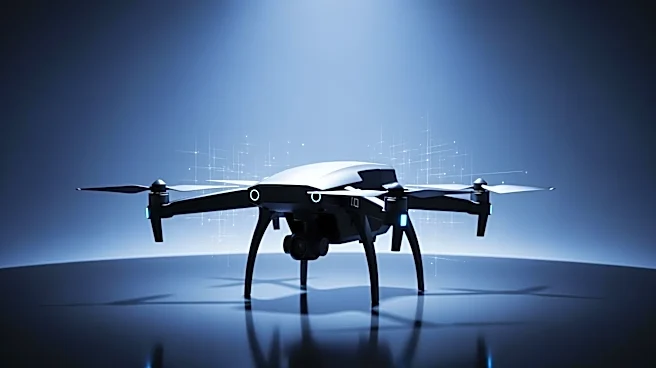
DJI users, including farmers and small businesses, are urging the FCC to reverse its decision to ban new foreign-made drones and components, citing significant disruptions to their operations. The FCC's ruling, based on national security concerns, has
added these drones to a list of communications equipment deemed risky. DJI, a major supplier of drones for various industries, claims the decision could result in a $1.5 billion loss in U.S. business. An independent security assessment commissioned by DJI found no security threats, challenging the FCC's rationale. The ban has sparked widespread public comments and a petition for reconsideration, highlighting the critical role of drones in agriculture and other sectors.
Why It's Important?
The FCC's decision to ban foreign-made drones has significant implications for industries reliant on this technology, such as agriculture, public safety, and small businesses. The ruling could disrupt operations, increase costs, and limit access to advanced drone technology, affecting productivity and competitiveness. The controversy also raises questions about the balance between national security and economic interests, as well as the transparency and fairness of regulatory processes. The outcome of this dispute could set precedents for future technology regulations and international trade relations.
What's Next?
The FCC's decision is likely to face continued legal and public challenges, with DJI filing a petition for review with the Ninth Circuit Court of Appeals. Stakeholders, including industry groups and policymakers, may push for a more nuanced approach that balances security concerns with economic realities. The development of domestic drone manufacturing capabilities could be accelerated, but this transition may require time and investment. Ongoing dialogue between the FCC, industry representatives, and security experts will be crucial in shaping the future regulatory landscape for drone technology.