





What's Happening?
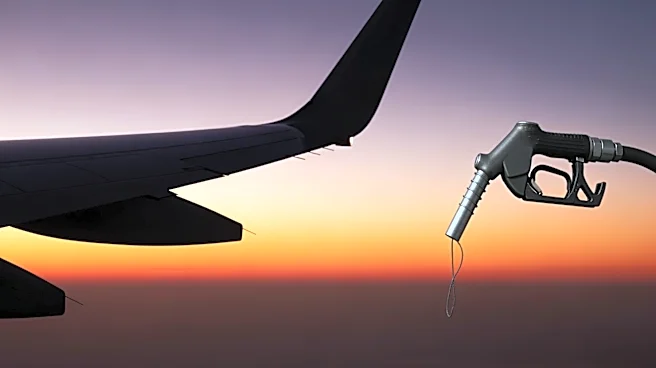
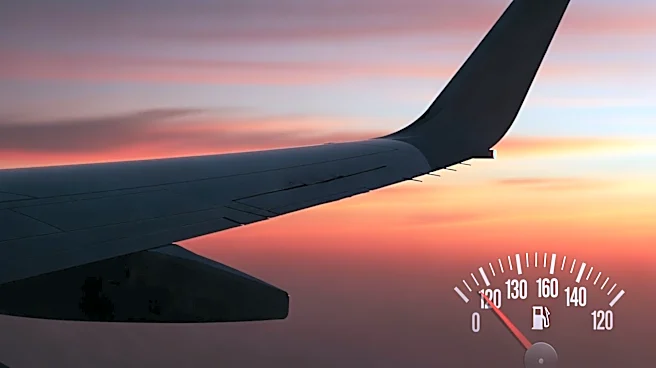
The ongoing conflict involving the U.S. and Israel against Iran has led to significant disruptions in the global supply of jet fuel, causing prices to nearly double since late February. The closure of the Strait of Hormuz has severely restricted the flow
of crude oil and refined products, including jet fuel, leading airlines to consider reducing flights, particularly international routes. U.S. airlines, while less affected than their European and Asian counterparts, are still facing potential shortages and increased costs. United Airlines and Lufthansa are among the carriers developing contingency plans to address these challenges.
Why It's Important?
The jet fuel supply crisis underscores the vulnerability of global supply chains to geopolitical conflicts, particularly in regions critical to energy production. For the airline industry, rising fuel costs and potential shortages threaten profitability and operational stability, especially as the peak summer travel season approaches. This situation could lead to higher ticket prices for consumers and reduced flight availability, impacting travel plans and economic activity. The crisis also highlights the need for diversified energy sources and more resilient supply chain strategies.
What's Next?
Airlines are likely to continue adjusting their flight schedules and exploring alternative fuel sourcing options to mitigate the impact of the supply disruptions. Industry stakeholders may also advocate for policy measures to stabilize fuel prices and ensure supply security. In the longer term, the situation could accelerate investments in alternative fuels and technologies to reduce dependency on traditional jet fuel.